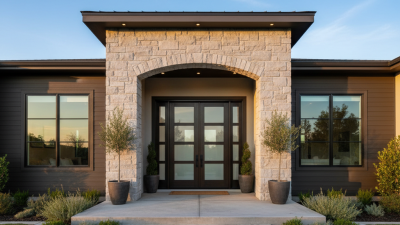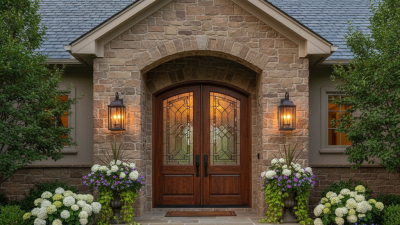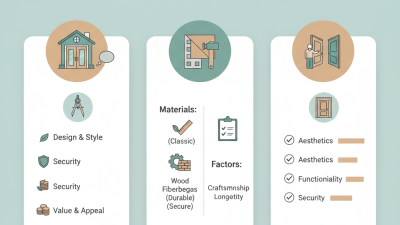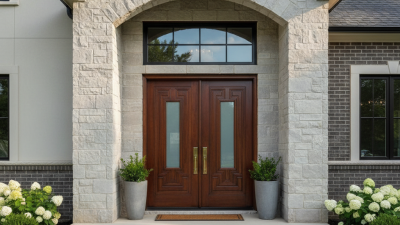
Why Choose Double Doors for Your Business?

Why Choose Double Doors for Your Business?

A business entrance shapes the first few seconds of every visit. Double doors can make that entrance feel wider, brighter, and easier to use. They suit retail stores, restaurants, offices, clinics, warehouses, and public buildings.

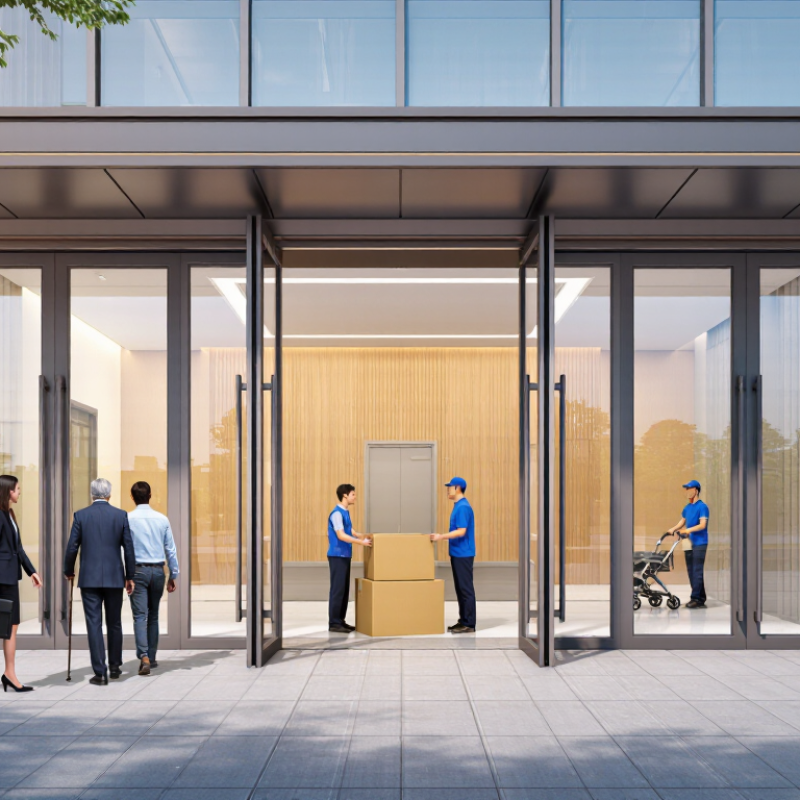
Picture a delivery team carrying a large carton through a narrow doorway. A double-door system can reduce awkward lifting and repeated trips. During busy hours, two active leaves can also improve customer movement. That matters near checkout areas, reception desks, and emergency routes.

Ron Mace, founder of the Center for Universal Design, said, “The power of universal design is that it makes things usable by everyone.” His principle applies strongly to double doors. Wider access can support wheelchair users, parents with strollers, older visitors, and employees moving equipment.

Good design requires more than attractive hardware. Door width, swing direction, glazing, thresholds, hinges, closers, and security systems must work together. Local accessibility, fire-safety, and building requirements also need professional review. Requirements vary by location.

There is a practical weakness. Double doors can cost more, need careful alignment, and create maintenance issues when hardware wears unevenly. They are not automatically the best choice. A small office may gain little from them.

Still, when traffic is heavy or objects are oversized, the benefits become tangible. Choose durable materials, suitable locks, and accessible opening force. Test the entrance during real operating conditions. A beautiful doorway that frustrates users is not successful. That lesson is easy to miss.
Why Choose Double Doors for Your Business?

What Are Double Doors and How Do They Work?

Why Choose Double Doors for Your Business?

Double doors are two door panels fitted within one frame, opening from the center. They create a wider passage than a single door. This extra width helps move stock, equipment, carts, and busy customer traffic. They can swing inward, outward, or in both directions, depending on the building’s layout.

One panel is usually the active leaf. It carries the main handle, lock, and latch. The second panel is often called the inactive leaf. Vertical bolts hold it securely at the top and bottom. When both panels open, the center meeting line separates, creating a broad entrance. Hinges support the weight, while the frame keeps movement stable. Door closers may control speed and prevent hard slamming. They work simply.

In practical installation, accurate measurements matter more than many owners expect. Uneven floors can make one panel drag. Poor alignment may leave a visible gap or weaken the seal. A qualified installer checks the opening, hardware, clearance, and daily traffic pattern before fitting the doors. Safety hardware may also be appropriate in busy commercial spaces. The right setup feels smooth, quiet, and predictable. That matters.

Double doors can improve access, but they are not automatically the best choice. They require more hardware and regular inspection than one door. A loose bolt or worn hinge can affect both panels. This is where planning sometimes falls short. A business should consider delivery sizes, weather exposure, security needs, and available wall space before choosing this design.

How Double Doors Improve Business Access and Traffic Flow

Why Choose Double Doors for Your Business?

Double doors can make busy entrances feel less restrictive. One leaf supports ordinary traffic, while both leaves open for deliveries, carts, equipment, or peak customer movement. In site planning, this flexibility matters because door capacity is not only about width. It also depends on swing direction, hardware, thresholds, and the space behind the entrance.

The 2010 ADA Standards require at least a 32-inch clear opening for accessible routes in many U.S. applications. A properly configured double-door set can provide that clearance while preserving a wider operational opening. NFPA 101 also connects egress capacity with occupant load and available door width. Therefore, wider doors may support safer movement, but they do not replace a qualified code review.

Traffic flow improves when people do not stop to negotiate a narrow opening. This is especially visible near cafés, clinics, warehouses, and reception areas. Staff can guide a delivery through one leaf while customers use the other.

Small detail. It prevents awkward crossing.

Still, double doors are not a magic fix. Poorly adjusted closers can make both leaves heavy. Uneven thresholds can slow wheels and create trip concerns. The International Building Code and local accessibility rules may also affect hardware, landing space, and swing direction. Measure real peak traffic first. That step is often skipped, and the mistake can be expensive.

Which Business Benefits Do Double Doors Provide?

Why Choose Double Doors for Your Business?

Double doors can improve how people, products, and equipment move through a business. Their wider opening helps busy entrances handle queues without forcing customers into narrow spaces. In retail stores, this can make shopping carts, delivery trolleys, and bulky goods easier to manage. Staff also spend less time repositioning items near the doorway.

Better access matters. Double doors can support wheelchair users, parents with strollers, and visitors carrying packages. They may also improve emergency movement when installed with suitable hardware and clear exit planning. However, wider doors are not automatically safer. Their swing direction, closing speed, visibility, and surrounding space require professional assessment. A poorly positioned door can create a bottleneck instead.

Double doors may increase natural light and airflow, especially in workshops, cafés, and reception areas. Glazed sections can help staff observe approaching visitors before opening the entrance. That small detail can improve daily awareness. They can also support smoother deliveries by reducing contact between door panels and large cartons. Still, wider openings may allow more heat loss, dust, and outside noise. Insulated materials, reliable seals, and regular adjustment become important. In my experience, neglected hinges often make an impressive entrance frustrating within months. Maintenance budgets should include inspections, cleaning, and hardware replacement. The best choice depends on traffic levels, building layout, security needs, and local accessibility requirements. Dialogue with installers and facility staff can reveal problems that drawings miss.

What Types of Double Doors Suit Different Commercial Spaces?

Double doors are not one universal solution. Their best type depends on traffic, clear width, security, and operating speed.

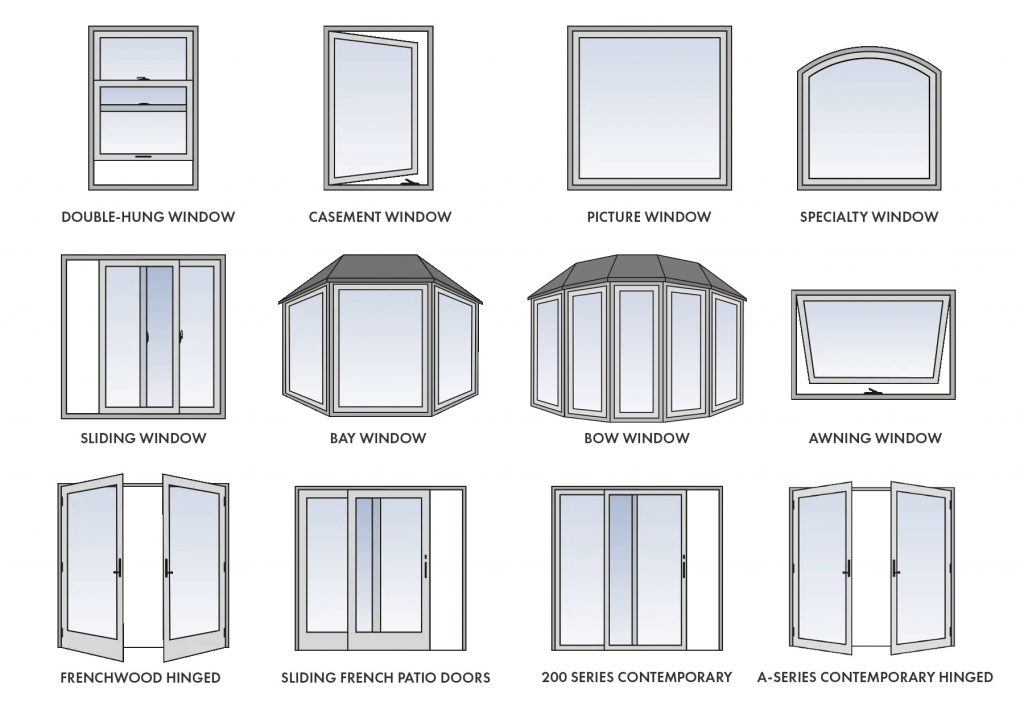
For retail entrances, paired swing doors create a familiar, welcoming opening. They suit moderate pedestrian flow and support large glass panels. In compact offices, sliding double doors save swing space, but their tracks need regular cleaning. High-traffic clinics and hotels often need automatic sliding doors. Hands-free access can improve movement. The U.S. Energy Information Administration’s 2018 Commercial Buildings Energy Consumption Survey counted 6.8 million commercial buildings, covering 97 billion square feet. That variety matters. A small office and a distribution hall should not share the same door specification.

Warehouses may benefit from wider steel swing pairs, sliding doors, or folding systems. Folding doors open quickly for forklifts, although exposed hardware can suffer in dusty environments. Fire-rated double doors require professional checks for the wall, frame, closer, and labels. NFPA 80 requires fire door assemblies to remain correctly installed and maintained. Accessibility also needs practical testing. Under the 2010 ADA Standards in the United States, doors generally need at least 32 inches of clear opening. Local rules may differ. I have seen attractive entrances fail because furniture blocked one leaf. Drawings alone are not enough.

Tips: Measure peak traffic, not average traffic. Check clear opening with both leaves active. Confirm wind, weather, security, and maintenance needs. Request testing and service records. Automatic systems feel premium, but they add sensors, controls, and future repair costs.

How to Evaluate Security, Durability, and Maintenance Needs

Why Choose Double Doors for Your Business?

Double doors suit businesses that move people, carts, and equipment throughout the day. However, a wider entrance is not automatically safer.

The FBI’s 2023 Crime Data Explorer estimated 847,522 burglary offenses in the United States.

That figure does not prove double doors prevent crime. It does show why access control, reinforced hinges, strong frames, and protected glazing deserve careful evaluation. Ask whether both leaves lock securely, whether one leaf can remain fixed, and whether the hardware supports frequent daily cycles. Avoid choosing by appearance alone.

Durability depends on traffic, weather, and installation quality. Steel doors often handle impacts well, while aluminum can reduce weight and corrosion concerns. Poor alignment creates rubbing, failed latches, and cold drafts.

The U.S. Department of Energy reports that air leakage can consume 25–40% of building heating and cooling energy.

Replace worn weather seals before they damage operating efficiency. For fire-rated openings, NFPA 80 requires periodic inspection and maintenance, typically at least annually. Local code review remains essential. A costly weakness is sometimes a neglected closer, not the door panel.

Tips:

  • Measure clear opening width and floor level.
  • Request documented cycle testing.
  • Check hinge, latch, and seal access before purchase.
  • Keep a maintenance log with dates, defects, and repairs.
  • Test both leaves under real traffic conditions.
  • Do not assume “heavy-duty” means maintenance-free.