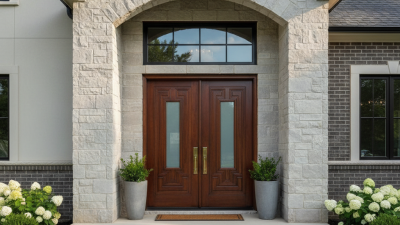
10 Tips for Choosing Exterior Double Doors

Choosing exterior double doors involves more than matching a home’s style. The right pair must fit the opening, resist weather, and operate smoothly for years. This guide shares ten practical tips for selecting double doors exterior homeowners can trust.

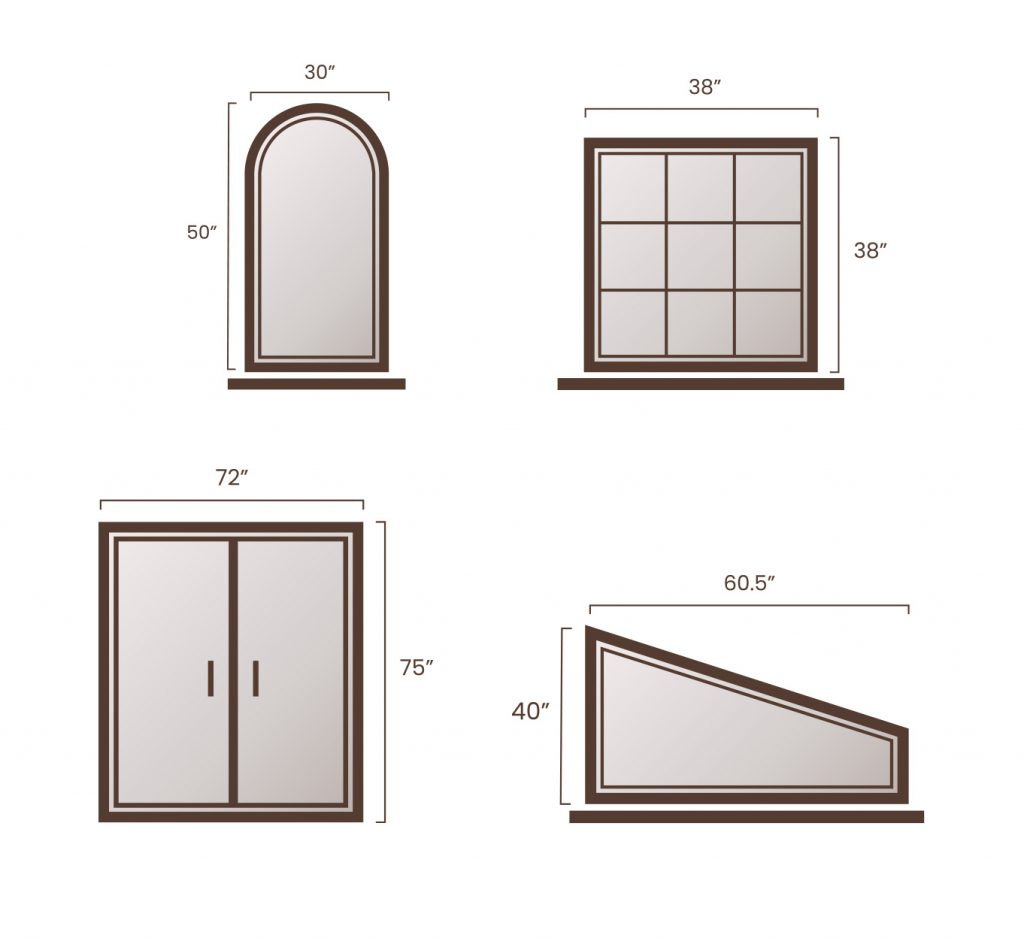
Start with accurate measurements, including the rough opening, frame depth, and finished floor height. Small errors matter. A door that looks perfect online may bind against an uneven threshold. Experienced installers also check which way the panels should swing. Furniture, steps, walls, and nearby lighting can change that decision.

Material affects maintenance, insulation, and long-term appearance. Fiberglass resists moisture well, while solid wood offers warmth but needs regular protection. Steel can provide strength, though exposed finishes may show scratches or rust if poorly maintained. Look for insulated cores, weatherstripping, adjustable hinges, and a durable sill. These details often matter more than decorative trim.

Glass deserves careful attention. Low-emissivity glazing can improve comfort, while laminated or tempered options may offer added protection. Confirm the manufacturer’s ratings instead of relying on vague marketing language. Hardware should feel substantial, align correctly, and remain easy to use with one hand.

Do not ignore installation quality. Even a high-performing door can leak air when the frame is poorly sealed. Ask about flashing, shimming, drainage, and warranty coverage. I have seen attractive doors disappoint because installation was treated as an afterthought. That lesson is easy to overlook.

Budget realistically. Include delivery, finishing, hardware, and professional installation. The cheapest option may create higher maintenance costs later. Compare samples in daylight, inspect the threshold closely, and test the locking system before committing. A careful choice should feel secure, practical, and natural every time you enter.
10 Tips for Choosing Exterior Double Doors

Define Your Exterior Double Door Requirements

Before comparing exterior double doors, define the opening and daily demands. Measure width, height, jamb depth, and surrounding wall conditions. Record measurements in three places; older homes rarely stay perfectly square. Decide whether the doors should swing inward or outward. Check walkways, steps, furniture, and local egress requirements. A beautiful pair can become awkward if one leaf blocks a hallway or narrows a landing. Draw the swing arc on the floor with painter’s tape.

Weather exposure should shape the specification. South- or west-facing openings may need low-solar-gain glazing and a deep overhang. Windy sites require sturdy hinges, reliable multipoint hardware, and a secure astragal between the leaves. In rainy climates, ask how the sill drains and how the threshold meets the exterior surface. I once underestimated afternoon glare in a west-facing room. The doors looked impressive, but the space became uncomfortably bright. That mistake changed how I assess glass, shading, and ventilation.

Define performance targets before choosing appearance. Write down your priorities: daylight, thermal comfort, sound control, privacy, accessibility, or easy maintenance. Consider the weight of each leaf and who will operate it. A wide opening is useful, yet heavy doors can frustrate children and older adults. Confirm rough-opening allowances, installation tolerances, and warranty responsibilities with a qualified installer. Leave room for adjustment. Buildings move, and even careful plans can miss a small detail.

Compare Door Materials, Construction, and Weather Resistance

Choosing exterior double doors starts with comparing materials, not appearances. Fiberglass resists moisture, dents, and seasonal swelling. Steel offers strong security and stable dimensions, but exposed edges can rust. Solid wood provides warmth and repairability, yet it needs careful sealing around joints and end grain. Composite cores can improve insulation, though quality varies between constructions. Material labels can mislead. Look inside the door system.

Construction often matters more than the surface finish. Check the core, stile joints, hinges, meeting stile, sill, and weather seals. A continuous sill pan should direct water away from the wall. Compression gaskets should close evenly when both leaves meet. Ask for tested air-leakage, water-penetration, and structural-performance results under NFRC or ASTM procedures. ASTM E331, for example, evaluates water penetration under controlled pressure, not ordinary rainfall alone.

The U.S. Department of Energy reports that windows can cause 25–30% of residential heating and cooling energy use through heat gain and loss. Doors are only one part of the envelope, but poor seals can still create cold drafts and moisture problems. Compare the manufacturer’s U-factor and air-leakage data, then match them with your climate. NOAA precipitation and wind records can help identify local exposure. Coastal homes need corrosion-resistant hardware. Windy regions need stronger anchoring and tested impact resistance. Installation remains a weak point. Even an excellent door may leak when the sill, flashing, or wall opening is poorly prepared. Inspect twice. Replace seals when compression becomes uneven.

10 Tips for Choosing Exterior Double Doors: Compare Door Materials, Construction, and Weather Resistance

Typical thermal conductivity of common exterior door materials. Lower values generally indicate better resistance to heat transfer, although the complete door assembly, insulation core, glazing, seals, and installation determine actual energy performance.

Fiberglass and wood typically provide lower heat transfer than uninsulated metals. Steel and aluminum doors can still perform well when they use insulated cores and thermal breaks. For exterior double doors, also check weatherstripping, sill design, drainage, corrosion resistance, and the manufacturer’s tested U-factor and air-leakage results.

Choose Suitable Dimensions, Swing Direction, and Clearance

Choosing exterior double doors begins with accurate measurements, not visual guesses. Measure the rough opening at the top, middle, and bottom. Record the width, height, and wall depth. Uneven masonry is common. Leave the recommended installation gap, then confirm the frame size with a qualified installer. A door that fits tightly on paper may bind after seasonal movement. Check threshold height against the finished floor, especially when tile or stone will be added. Small errors become expensive.

Tip: Test the swing direction with cardboard templates. Stand inside and imagine carrying furniture through the opening. Confirm which leaf opens first and where the active handle sits. Keep the swing arc clear of steps, railings, lights, and nearby walls. Outward swings may need extra landing space and weather protection. Inward swings reduce exterior clearance but consume interior floor area. I once overlooked a light switch location. It made the preferred swing inconvenient.

Tip: Plan clearance for people, hardware, and maintenance. Allow comfortable passage when both leaves are open, not merely the nominal width. Check handle-to-wall distance and room for cleaning glass or adjusting hinges. Mark the full opening with tape before ordering. Walk through it. Verify drainage and threshold alignment after the finished exterior surface is known. Building requirements vary by location, so have the final dimensions and swing reviewed by a competent professional. Measurements deserve a second look.

Evaluate Security Features, Energy Efficiency, and Accessibility

10 Tips for Choosing Exterior Double Doors

Exterior double doors should protect the home without making daily entry difficult. I once inspected a beautiful pair with weak hinges and a poorly fitted lock. The appearance impressed everyone. The security did not.

Choose multi-point locking, reinforced strike plates, and hinges protected from outside access. Laminated glass can resist impact better than ordinary glass. Check the frame, not only the door panels. A strong door installed in a flexible frame remains vulnerable. Test the handles with wet or gloved hands. Lever handles are often easier for children, older adults, and people with limited grip strength. Add clear lighting near the threshold. A wide, unobstructed opening also matters. Measure furniture routes before ordering. I have seen attractive doors fail because a sofa could not pass through.

Energy performance deserves equal attention. Look for insulated cores, low-emissivity glazing, continuous weatherstripping, and a thermally efficient frame. Examine the meeting point between both panels. Small gaps there can create cold drafts and indoor moisture. A low threshold improves accessibility, but it must still control rainwater. Ask how the door handles wind-driven rain. Also consider the swing direction, screen-door clearance, and maintenance access. Door closers may improve control, yet excessive closing force can frustrate users. No design solves every problem. Recheck your priorities after measuring the opening, watching the sunlight, and imagining everyday use during winter.

10 Tips for Choosing Exterior Double Doors — Evaluate Security Features, Energy Efficiency, and Accessibility
Tip Evaluation Area What to Check Useful Benchmark or Requirement Why It Matters Questions to Ask Before Buying
1Verify the Door Material Durability and maintenance Compare insulated steel, fiberglass, solid wood, and composite construction. Inspect the skins, core, frame, and moisture-resistant finishes. Look for a stable, weather-resistant construction suited to the local climate and exposure. Material selection affects resistance to warping, dents, corrosion, moisture, and long-term maintenance. Will the material tolerate direct sun, coastal air, heavy rain, freezing temperatures, or frequent use?
2Inspect the Locking System Security Check for a strong deadbolt, reinforced strike plates, long mounting screws, and a solid frame. A multipoint lock can engage the door at several locations. The lockset and strike area should be securely anchored to structural framing, not only to thin trim. Double doors have a meeting stile and an inactive leaf that must be secured against forced entry. How is the inactive door leaf secured, and does the system include adjustable locking rods or a multipoint mechanism?
3Evaluate Glass Security Security and safety Review the glass type, thickness, location, and retention system. Laminated glass remains held together after impact, while tempered glass is designed to break into smaller pieces. Use safety glazing where required by local building codes, especially near doors and in hazardous locations. Glazing can affect forced-entry resistance, injury risk, daylight, and privacy. Is the glass laminated or tempered, and is it secured with a continuous frame rather than removable glazing beads?
4Check Weather Sealing Air and water resistance Examine the head, jamb, sill, astragal, and meeting-stile seals. Look for replaceable compression weatherstripping and a properly designed sill pan or threshold. Continuous seals should close evenly around both door leaves without visible gaps or excessive compression. Effective sealing helps reduce drafts, water intrusion, noise, and premature deterioration. Can the weatherstripping be replaced, and how is the sill designed to drain water away from the entry?
5Compare Energy Ratings Energy efficiency Review the complete door assembly rather than the slab alone. Compare the U-factor, solar heat gain coefficient, air leakage, and visible transmittance when glazing is included. Lower U-factor generally indicates better insulation; lower SHGC reduces solar heat gain. Whole-assembly performance is more useful than a center-of-panel value because frames, glass, seals, and thresholds also affect heat transfer. Are the ratings for the complete double-door assembly, and are they based on a recognized testing or certification program?
6Assess Thermal Bridging Frame and threshold performance Look for insulated cores, thermally improved frames, low-conductivity spacers, and a threshold that limits heat transfer. Thermally separated or insulated components are preferable in climates with large indoor-to-outdoor temperature differences. Weak points around the frame and sill can create cold surfaces, condensation, and higher heating or cooling loads. What insulation is used in the door leaves, and is the frame or sill designed to reduce thermal bridging?
7Measure the Clear Opening Accessibility and circulation Measure the usable passage with the door open, accounting for hinges, stops, weatherstripping, and the inactive leaf. A 32-inch minimum clear opening is a common accessibility reference; verify the exact local code and project requirements. A wide nominal door does not always provide an equally wide clear passage, especially with thick doors and hardware. What is the actual clear opening when one leaf is fully open, and can furniture or mobility equipment pass comfortably?
8Review Threshold and Hardware Ease of use Choose lever handles or pulls that are easy to operate. Check threshold height, edge visibility, grip clearance, and whether the door requires excessive force. Many accessibility standards limit threshold height to about 1/2 inch, subject to applicable exceptions and local regulations. Low-profile, visible thresholds and easy-to-operate hardware reduce trip risks and improve usability for children, older adults, and people with limited hand strength. Can the door be opened with one hand without tight grasping, pinching, or twisting, and is the threshold compliant with local requirements?
9Confirm Installation Requirements Performance and longevity Check rough-opening dimensions, sill preparation, flashing, shimming, anchoring, alignment, and the relationship between the two door leaves. The frame should be plumb, level, square, and securely fastened to structural framing. Even a high-performing door can leak, bind, or become difficult to lock if the opening is poorly prepared or the frame is misaligned. Who will install the unit, what site conditions are required, and what installation details protect the sill from water intrusion?
10Check Testing and Warranty Documentation Reliability and compliance Request product data for air leakage, water penetration, structural performance, thermal properties, safety glazing, and applicable local approvals. Use documented test results for the complete door assembly and confirm that the warranty covers both materials and finish. Independent performance information makes products easier to compare and helps identify limitations before installation. Which tests were performed, what conditions were used, what is excluded from the warranty, and are replacement parts available?

Plan Installation, Maintenance, Budget, and Long-Term Value

10 Tips for Choosing Exterior Double Doors

Plan installation before comparing finishes. Measure the rough opening, wall thickness, threshold height, and available swing space.

Tip 1: Check drainage paths around the entry. Water pooling near the sill can damage flooring and framing.

Tip 2: Ask a qualified installer to inspect the structure. A beautiful door cannot correct a weak opening.

Tip 3: Confirm local energy and safety requirements before ordering.

Choose materials for your climate and daily habits.

Tip 4: Look for weather seals that remain flexible through seasonal changes.

Tip 5: Consider glazing carefully; low-emissivity glass can improve comfort near the entrance.

Tip 6: Test the handles and hinges in person, if possible. Heavy doors should open smoothly without forcing the frame. I once underestimated this detail. It became annoying quickly.

Build maintenance into the budget.

Tip 7: Ask how often the finish needs inspection or renewal.

Tip 8: Price installation, hardware, delivery, and possible framing repairs separately. A low quote may hide essential work.

Tip 9: Choose replaceable seals and accessible hardware. Small repairs should not require removing the entire door.

Tip 10: Think about long-term value, not only the purchase price. Better insulation, durable construction, and reliable security may reduce future costs.

Keep a written care schedule. Inspect corners, hinges, and the threshold twice a year. Five minutes can reveal trouble early.