Choosing exterior sliding glass doors means balancing daylight, easy access, comfort, and long-term performance. A wide opening can brighten a living room and connect it to a patio. Yet the wrong configuration may bring drafts, difficult operation, or costly repairs. Small details matter.
These ten tips will help you compare door sizes, frame materials, glass options, locking features, and track designs. They also cover weather seals, drainage, installation, maintenance, and budget. Check product specifications for insulation ratings and hardware details, then compare them with your climate and the opening’s exposure. A door facing strong afternoon sun may need different glass than one beneath a covered porch. Measure the opening carefully, including the floor level and available wall space. It sounds obvious. Still, measurements are easy to rush.
There is no single door that suits every home. Aluminum frames can offer a slim profile, while other materials may provide different insulation or upkeep advantages. A smooth-running panel is useful, but it does not guarantee a durable installation. Look at the whole assembly, including the sill, seals, and drainage path. For unusual openings or signs of structural damage, ask a qualified installer to assess the site. Product claims deserve a closer look, too. These practical checks can help you choose confidently, while leaving room to reconsider what matters most in your home.
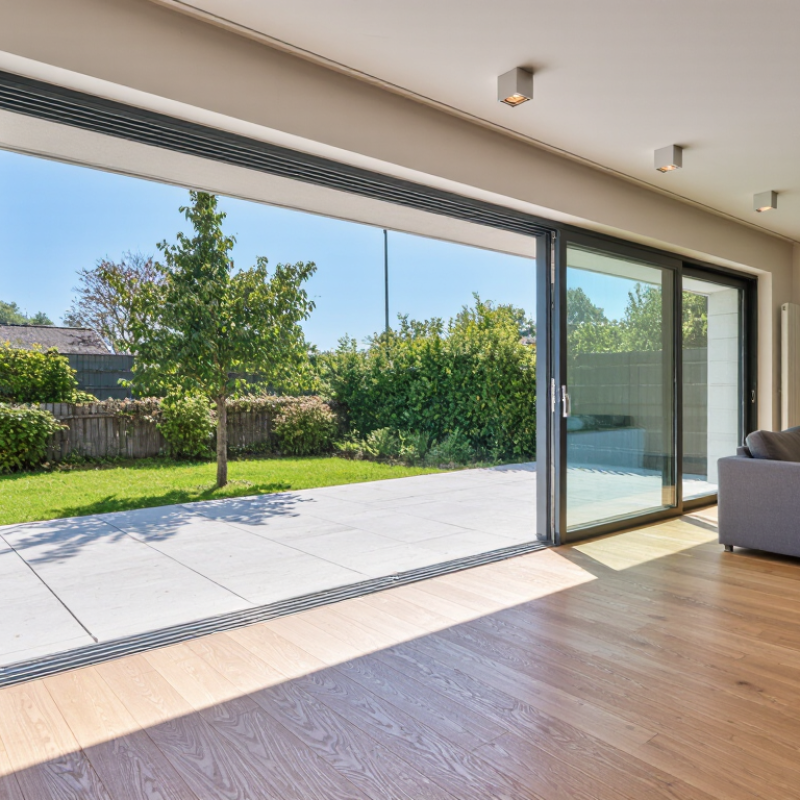
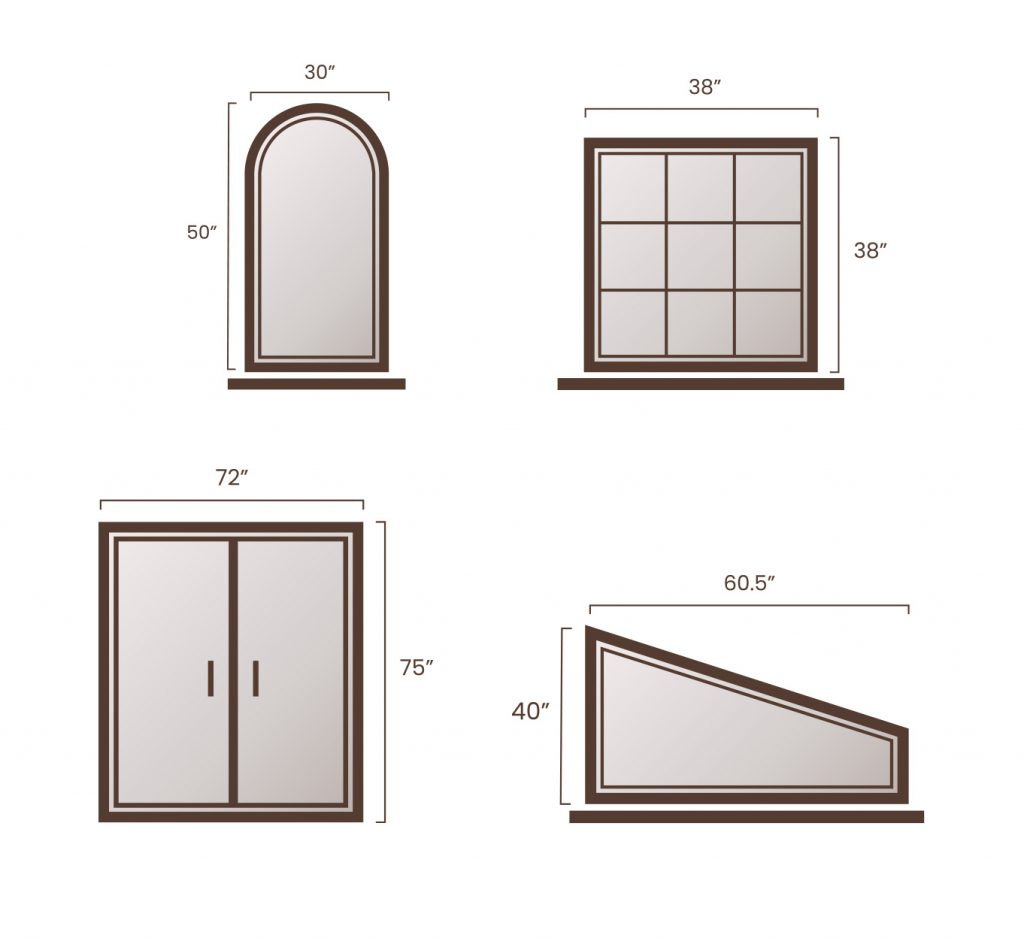
Before choosing an exterior sliding glass door, measure the rough opening, not just the visible glass area. Check width at the top, middle, and bottom, then height at both sides and the center. Use the smallest measurements when comparing options. An opening that narrows by even a few millimeters can complicate shimming and sealing. That matters.
Next, confirm frame depth against the full wall assembly. Measure from the interior finished surface to the exterior finish, and note drywall, sheathing, siding, and any trim that will stay. For a replacement, measure the existing frame separately; it may not match the rough opening. I would recheck these figures after removing old trim, because hidden layers can change the usable depth. A tape measure can flex, too, so verify awkward corners with a straightedge.
Fit affects more than appearance. The U.S. Department of Energy’s Energy Saver guidance estimates that windows account for about 25–30% of residential heating and cooling energy use. That figure covers windows broadly, not sliding doors alone, but it shows why careful installation and sealing matter. Leave clearance only as the door’s installation instructions specify. Small gaps add up. Compare your measurements with the actual frame dimensions before ordering, and record each value with its location.
NFRC ratings help compare exterior sliding glass doors on equal terms. U-factor measures heat transfer; lower values generally mean better insulation. SHGC measures how much solar heat passes through the glass. A lower SHGC can limit overheating in sunny, warm climates, while a higher value may help capture winter sun in colder regions. There is no single best combination. The U.S. Department of Energy estimates that windows account for about 25–30% of residential heating and cooling energy use. That makes careful comparison worthwhile, though the estimate covers windows broadly, not sliding doors alone.
Tip: Check both numbers on the NFRC label, not just the glass description. U-factor is listed in Btu/h·ft²·°F, while SHGC is a value from 0 to 1. Compare doors using the same rating method, and consider orientation: a west-facing door can take strong late-afternoon sun. Small detail. It matters.
Tip: Match the ratings to your climate and room conditions. In a cold region, prioritize a low U-factor; in a hot, sunny location, a lower SHGC may reduce unwanted heat gain. Also inspect frame material, weatherstripping, and installation details, since air leakage can undermine good glass ratings. I still treat the label as a starting point, not a verdict; shade, wind exposure, and how often the door opens can change real-world comfort.
10 Tips for Choosing Exterior Sliding Glass Doors
Safety glazing deserves attention before frame color or handle style. Large sliding-door panels sit at body height, where someone could walk into them or strike them during a fall. Ask whether the glass is tested and certified to CPSC 16 CFR 1201 or ANSI Z97.1, as applicable to your project and local code. These standards address glazing performance under impact. A product description that simply says “tempered” may not answer every compliance question.
Tip: Request the certification details and check the glass label or product documents. Make sure they identify the specific door configuration you are buying. Do not assume that a sample label covers every panel or size. If details are unclear, pause and ask the supplier or installer to confirm them in writing. That small check can prevent an expensive misunderstanding later.
Inspect the glass edges and corners for chips before installation, and keep the documentation with your home records. Ask how replacement panels will be matched if one breaks. I would not choose a door based on a safety claim alone; the wording can be vague. The right standard, clear records, and careful installation all matter. Local building requirements may add conditions, so verify them before ordering.
When comparing exterior sliding glass doors, ask for test documentation tied to the exact door configuration. ASTM E283 measures air leakage through the assembled unit under specified pressure differences. Lower leakage can help limit drafts, but the result depends on the tested size, frame, and seals. Check those details, not just a headline number. Small print matters.
ASTM E547 evaluates water penetration during repeated pressure cycles. This can reveal how a door handles wind-driven rain, especially around corners, meeting stiles, and the bottom track. Look for the tested pressure and any stated water limits. A passing result is useful, but it cannot promise a leak-free installation in every storm. That part is easy to overlook.
ASTM E330 tests structural performance under uniform static air pressure, including how the assembly responds to load. Compare the design pressure and reported deflection with conditions at your home, such as exposed coastal wind or an upper-floor opening. Ask whether the report covers the same panel count, glass, and frame dimensions you plan to buy. Installation matters too: a well-tested door can still perform poorly if the sill is uneven or flashing is incomplete. Test results guide a choice; they do not replace careful site review.
A sliding door can look substantial and still have a track poorly matched to its panels. Ask for each panel’s listed weight, the track’s maximum load, and the tested configuration. Do not compare only the frame width. Glass thickness, laminated layers, and panel dimensions all affect weight. Small detail. Big consequence.
Check that rollers, locks, anti-lift devices, and handles suit the specified panel weight and door use. A heavy panel may need more robust rollers, but adding stronger hardware does not prove the frame or track can carry it. Request written load ratings and installation requirements.
The AAMA/WDMA/CSA 101/I.S.2/A440 standard evaluates fenestration performance, including structural resistance and water penetration; ask whether the complete door assembly was tested to the applicable rating. Ratings matter more than a sales description.
There is an energy reason to check the whole assembly, too. The U.S. Department of Energy estimates that heat gain and heat loss through windows account for 25–30% of residential heating and cooling energy use. That figure does not measure track strength, but it shows why proper sealing and installation deserve attention.
NFRC labels provide comparable U-factor and solar heat gain coefficient ratings. Still, a rating cannot confirm a particular track’s load capacity. I would not assume two doors with similar glass have interchangeable hardware. Get the panel weight, track rating, and hardware specification in writing before ordering.

5960 Odana Road
Madison, WI 53719
T: 608.442.0032
1001 Frank H Street
Waunakee, WI 53597
T: 608-268-7140