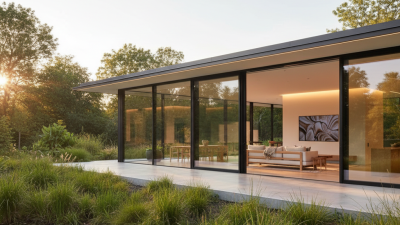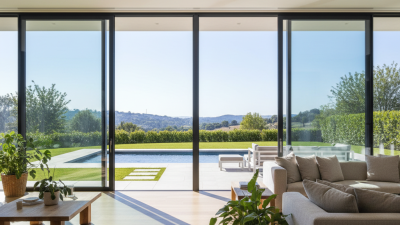
10 Best Exterior Sliding Glass Doors for Global Buyers

Choosing among the 10 Best Exterior Sliding Glass Doors for Global Buyers requires more than comparing glass size or frame color. Climate, installation quality, security, energy performance, and long-term maintenance all influence the final result.

Building-science educator Steve Baczek often emphasizes, “The building enclosure is a system, not a collection of products.” That principle applies directly to exterior sliding glass doors. A slim aluminum frame may look elegant beside a bright pool. However, poor drainage can create costly trouble during heavy rain. Large glass panels may welcome daylight. They can also increase indoor heat without suitable coatings, shading, and ventilation.

This guide examines practical options for different markets, including coastal homes, cold regions, humid cities, and high-wind locations. It considers thermal breaks, weather seals, track design, glass safety, accessibility, and replacement support. Product availability also varies by country. That detail is easy to overlook.

We will not pretend one door fits every project. It does not. Some recommendations may suit premium villas but exceed a modest renovation budget. Others may offer strong value but require careful installation. That trade-off deserves honest attention.

Look closely at the small details. A smooth handle matters. So does a clean sill after a storm. The best exterior sliding glass doors should connect indoor and outdoor spaces beautifully, while protecting the building quietly for years.性能 can vary. Local advice remains essential.
10 Best Exterior Sliding Glass Doors for Global Buyers

What Makes an Exterior Sliding Glass Door a Strong Global Choice

An exterior sliding glass door becomes a strong global choice when it balances climate, security, comfort, and daily use. In real projects, buyers often focus on appearance first. That can be a costly mistake. A well-designed door should match local weather conditions, wall structure, and installation practices.

Look for insulated glass, durable frames, and sealed drainage paths. These details help reduce heat transfer, condensation, wind pressure, and rain intrusion. In humid coastal areas, corrosion-resistant hardware matters. In colder regions, low-emissivity glass and tight weather seals support indoor comfort. Smooth rollers are important too. A heavy door should open with controlled, steady movement, not force.

Ease matters worldwide.

Reliable products also support different building conditions and maintenance habits. Clear installation instructions, replaceable rollers, accessible adjustment points, and verified performance data improve long-term trust. Buyers should check safety glazing, locking strength, thermal performance, and local building requirements before ordering. Professional measurement is essential, especially for large openings and uneven walls.

No sliding door is perfect. Larger glass panels may increase weight, cost, and heat gain without careful specification. Even premium hardware can fail when tracks collect sand, dust, or water. That uncomfortable detail deserves attention. A realistic maintenance plan, suitable drainage, and trained installation usually matter more than impressive photographs.

Ten Leading Exterior Sliding Glass Door Designs and Their Key Features

Ten Leading Exterior Sliding Glass Door Designs and Their Key Features

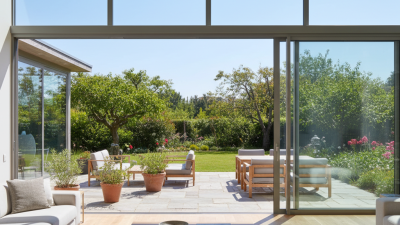
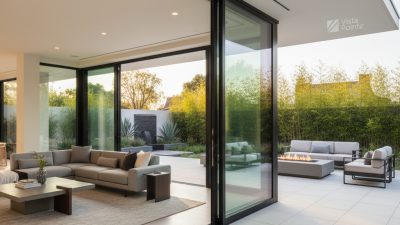
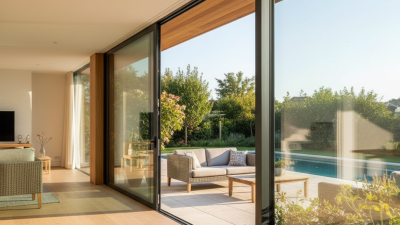
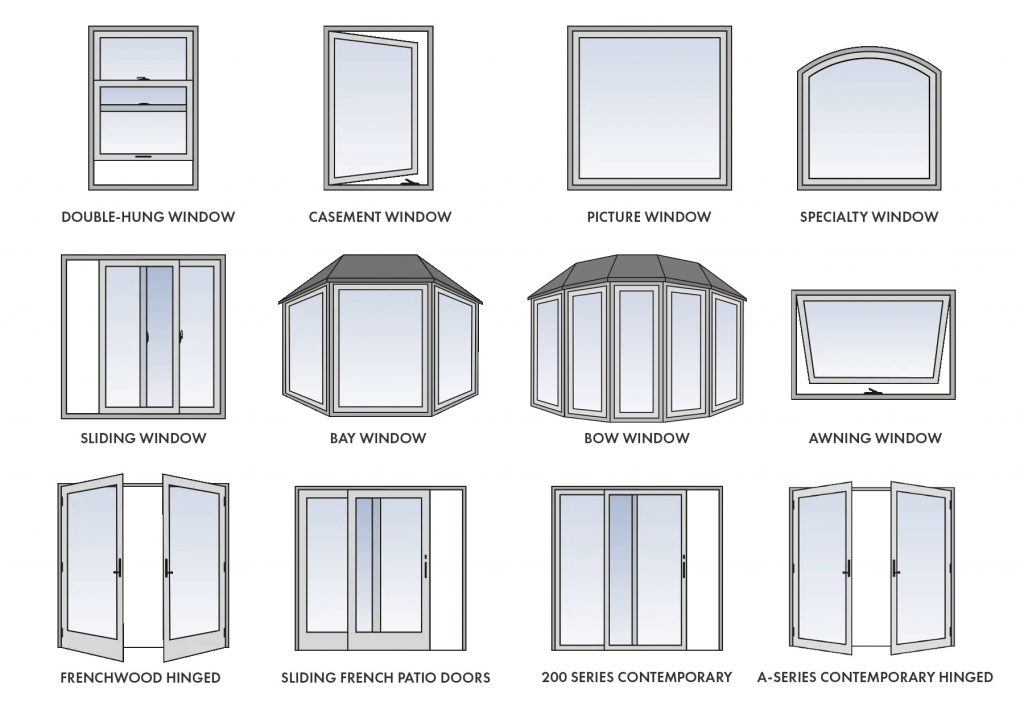
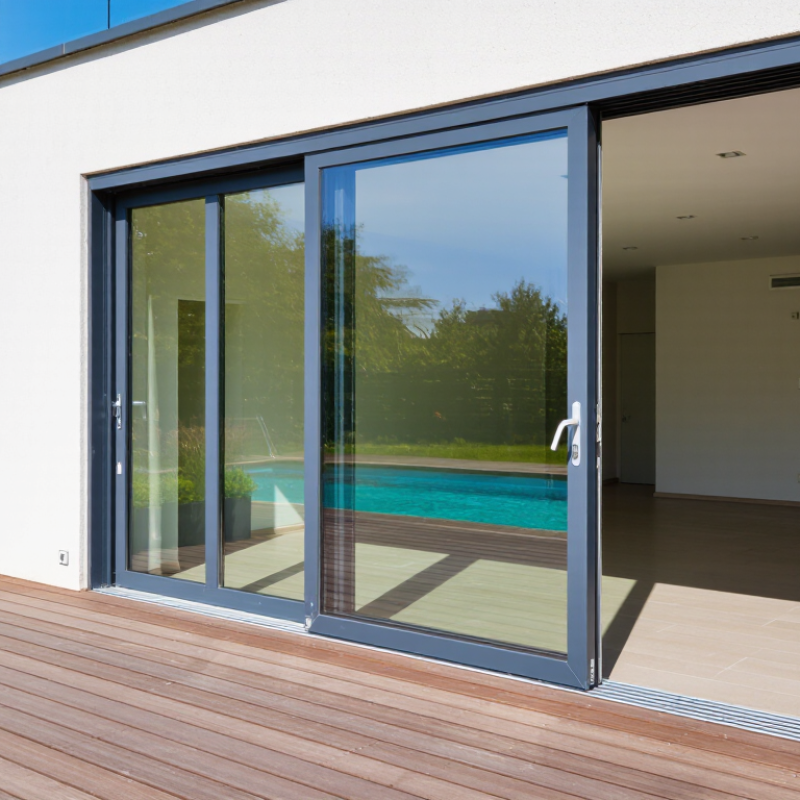
Exterior sliding glass doors now serve as wide openings, daylight sources, and weather barriers. The two-panel lift-and-slide design uses heavy panels and a recessed track for smooth movement. A three-panel stacking design creates a larger opening while keeping one fixed section. The pocket sliding door disappears into the wall, but it needs accurate framing and careful drainage. The corner-opening design removes a corner post, offering wide views and flexible indoor-outdoor access. It demands precise structural support.

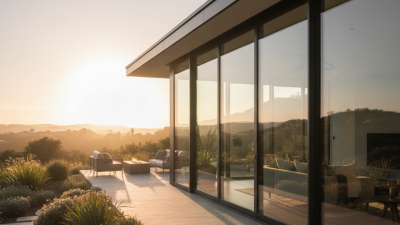
A slim-frame aluminum design provides narrow sightlines and strong resistance to moisture. Thermal-break frames reduce heat transfer in colder or hotter regions. The wood-clad design adds interior warmth, while its exterior layer needs regular inspection. A laminated-glass design improves safety and reduces noise from traffic or wind. Low-emissivity glass helps control solar heat and indoor temperature. It may look slightly less clear in certain light.

The automatic sliding design supports touch-free access and useful opening control. It requires reliable sensors, backup power planning, and scheduled maintenance. The multi-track design allows several panels to stack behind one another, saving wall space. More tracks also mean more cleaning. I have found that neglected rollers quickly affect user comfort. Buyers should check water drainage, glass thickness, air leakage ratings, handle quality, and local installation experience before choosing a configuration.

How to Compare Glass, Frames, Tracks, Security, and Energy Performance

10 Best Exterior Sliding Glass Doors for Global Buyers

Start with the climate. Glass selection should match local solar exposure, not showroom appearance. Low-emissivity double glazing often balances insulation, daylight, and cost. Triple glazing can improve thermal performance, but it adds weight and demands stronger hardware. The U.S. Department of Energy estimates that windows can cause 25–30% of residential heating and cooling energy use. That figure makes glass specifications worth serious attention.

Compare U-factor, solar heat gain coefficient, visible transmittance, and air leakage. The National Fenestration Rating Council explains that lower U-factor generally means better insulation. Lower solar heat gain can help in hot regions, while moderate gain may benefit colder climates. Frame material also matters. Thermally broken metal frames reduce conductive heat transfer. Reinforced composite frames may offer useful stability with lower thermal bridging. I would not trust marketing claims without independent test results.

Tracks matter too. Look for corrosion-resistant rollers, adjustable alignment, drainage channels, and replaceable wear parts. A smooth door is not automatically a durable door. Security is contextual. Laminated glass, anchored locks, strong interlocks, and tested impact resistance deserve comparison. The IEA’s 2023 Global Status Report for Buildings and Construction links buildings with about 30% of global final energy use. Still, energy ratings vary by country, climate zone, and testing method. A perfect specification on paper may perform poorly after careless installation. That is an uncomfortable, but necessary, limitation.

Regional Climate, Building Standards, and Sizing Considerations for Buyers

Exterior sliding glass doors should be judged by climate, not appearance alone. The International Energy Agency reports that buildings use about 30% of global final energy. In hot regions, choose low solar heat gain glass, exterior shading, and ventilated frames. In cold climates, prioritize low U-values, insulated spacers, and thermally broken framing. Coastal homes need tested corrosion resistance. Humid areas need reliable drainage and mold-resistant seals.

Building standards also vary by market. North American projects commonly reference AAMA/WDMA/CSA 101/I.S.2/A440. European buyers may require performance evidence under EN 14351-1. Australian installations often follow AS 2047. These standards address air leakage, water penetration, wind pressure, and operating force. Local approval remains essential. A certificate from another region may not satisfy the project authority.

Sizing errors are expensive. Measure the structural opening at three points for width and height. Leave room for shims, sill drainage, and movement. Large panels require structural support above the opening, especially in high-wind zones. The U.S. Department of Energy estimates that windows can contribute 25–30% of residential heating and cooling energy use. That figure deserves attention. Still, no report replaces a site inspection. A perfectly rated door can underperform when the threshold is poorly installed. Consider accessibility too, including low sill height and manageable opening force. A beautiful ten-door shortlist is incomplete without local climate data, tested performance values, and accurate site measurements.

Installation, Maintenance, Warranty, and Long-Term Ownership Factors

10 Best Exterior Sliding Glass Doors for Global Buyers

Choosing among the 10 best exterior sliding glass doors requires more than comparing glass size. Installation quality often determines real performance.

The U.S. Department of Energy estimates that windows can cause 25–30% of household heating and cooling energy use. Sliding doors need tight frames, low-emissivity glass, and correctly sealed thresholds. Ask for U-factor, solar heat gain coefficient, and air-leakage ratings. The National Fenestration Rating Council explains that lower U-factors generally indicate better insulation. Climate matters. A sunny coastal home needs different glazing from a cold mountain property.

Installation errors are common.I have seen beautiful doors lose performance because installers skipped sill flashing or compressed weather seals. The opening must be square, level, and properly drained. Check local wind, water, and impact requirements before ordering. The Fenestration and Glazing Industry Alliance uses performance standards covering air, water, structural, and operational testing. Still, laboratory results cannot correct poor site preparation.

Maintenance should include cleaning tracks, inspecting rollers, and checking seals twice yearly. Small grit can make a heavy panel feel defective. Warranty terms deserve careful reading. Confirm coverage periods for glass, hardware, finish, labor, and replacement shipping. International buyers should also ask who handles service locally. A long warranty is weak without accessible parts. My own preference is practical, not perfect: simpler hardware is usually easier to repair, although it may offer fewer convenience features. Keep installation records, photographs, and serial information for future claims.