How to Find the Best Door Installers in China?

Finding reliable door installers in China can shape the quality, safety, and long-term performance of an entire building project. A polished showroom is useful, but it cannot replace verified experience. The right team should understand aluminum, steel, wood, fire-rated, and security door systems. They should also explain which products suit coastal humidity, cold winters, busy hotels, or residential entrances.

Look beyond attractive prices. Ask for completed project photos, client references, installation procedures, and warranty terms. A dependable company should provide clear measurements, material specifications, hardware brands, and delivery responsibilities. Factory certifications can support credibility, but they are not the whole story. Visit the production site when possible. Watch how frames are stored, how corners are protected, and whether installers check wall openings before fitting each door.

Communication matters greatly. Small measurement errors can create visible gaps, scraping hinges, or difficult locks. Professional door installers should confirm drawings, opening directions, tolerances, and site conditions in writing. They should also explain who handles adjustments after installation. This detail is often overlooked. I would not rely on promises alone, even when the supplier appears experienced. A strong recommendation can still hide weak project management.

Compare several teams using the same checklist. Evaluate technical skill, response speed, documentation, after-sales support, and realistic pricing. Ask practical questions about replacement parts and on-site troubleshooting. The cheapest quotation may become expensive after delays or repeated repairs. A careful selection process takes more time, but it reduces uncertainty. No installer is perfect. The real test is whether the company acknowledges risks, corrects mistakes, and keeps its commitments throughout the project.
How to Find the Best Door Installers in China?

Define Your Door Installation Requirements

When searching for door installers in China, define your requirements before requesting quotations. Identify the door type, quantity, dimensions, material, color, and opening direction. Include clear photos of the entrance, corridor, and installation area. Small details matter.

State whether the project needs interior, exterior, security, fire-rated, acoustic, or moisture-resistant doors. Explain the building’s daily use, expected traffic, and local climate. A coastal site may require stronger corrosion resistance. A busy hotel may need reinforced hinges and durable surface finishes. Ask installers to confirm measurement methods, hardware specifications, delivery conditions, and on-site installation services.

Prepare a simple requirement sheet with room names and accurate measurements. Note wall thickness, floor levels, nearby pipes, and available working space. Request technical drawings, material certificates, installation procedures, and maintenance guidance. Experienced installers should explain what they can verify and what remains uncertain. Avoid choosing only by the lowest price. An incomplete quotation may exclude handles, frames, transport, or adjustment work.

Check whether the installer has handled similar projects in China. Ask for dated project photos, client references, and a clear warranty process. Confirm who will inspect the doors after installation. Written communication reduces misunderstandings, especially when measurements change. Even careful planning can miss uneven walls or delayed construction work. Keep a small contingency for site adjustments, and record every approved change.

How to Find the Best Door Installers in China? — Define Your Door Installation Requirements

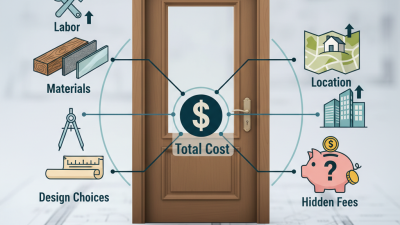
Confirming nominal door sizes before requesting installation quotations helps installers calculate frame dimensions, labor requirements, delivery conditions, and final installation costs more accurately.

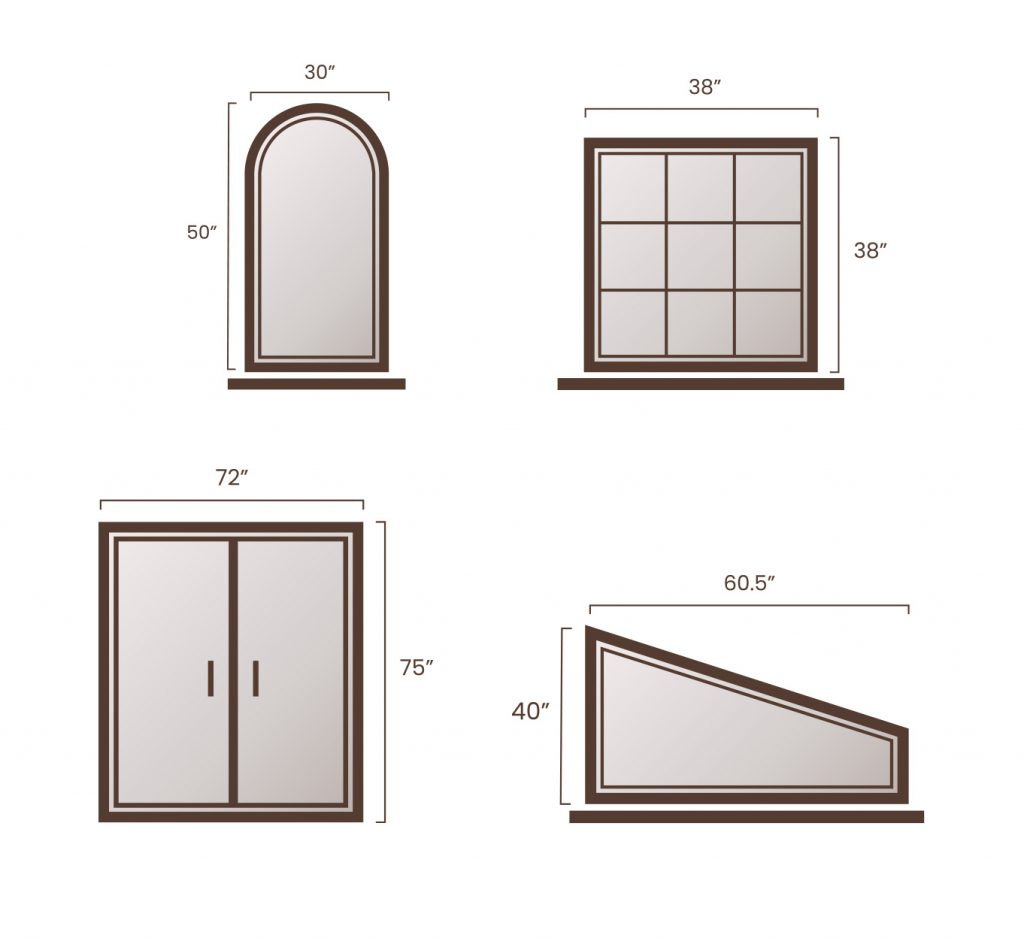
The chart compares common nominal single-door leaf widths with a typical 2,000 mm nominal height. These are planning references only; the actual rough opening must be verified according to the selected door frame, wall construction, hardware, fire-rating requirements, and applicable Chinese building standards.

Research China’s Door Installer Market

China’s door installer market is broad, but quality varies between cities and project types. The National Bureau of Statistics reported construction industry output of about RMB 32.6 trillion in 2024. This scale creates many installation teams, from factory-linked technicians to small local contractors. Market research should begin with service area, installation experience, workforce size, and completed project evidence.

Ask installers for dated site photos, material specifications, written quotations, and clear warranty terms. Compare at least three suppliers. Check whether measurements include wall thickness, opening tolerance, hardware position, and removal work. The China Internet Network Information Center reported 1.10 billion internet users in 2024. Therefore, online reviews and local project records can reveal response times and after-sales habits. Still, digital ratings can mislead. Visit one completed project when possible. A clean doorway is useful evidence.

Tips: Test communication before signing. Request a measurement sheet. Confirm who handles damage, delays, and adjustments. Review compliance with applicable Chinese building and fire-safety requirements. Keep payment stages linked to measured milestones, not promises. An installer may offer a lower price by omitting sealing or alignment work. That saving often becomes a repair cost. I would also question unusually perfect testimonials; real projects usually show minor corrections and documented follow-up.

Verify Installer Qualifications and Factory Capabilities

Choosing a door installer in China requires more than comparing quotations. Verify the company’s business license, installation scope, worker training records, and relevant local qualifications. Requirements can differ by project and city, so confirm them with the local construction authority. Ask for recent project references, signed contracts, insurance evidence, and clear warranty terms. A certificate helps, but it does not prove careful installation.

Factory capability matters equally. China’s National Bureau of Statistics reported construction industry output of about RMB 31.59 trillion in 2023. This large market includes both advanced manufacturers and poorly controlled workshops.

Request a factory video tour or conduct an onsite audit. Check production lines, incoming-material records, dimensional inspections, glass and hardware testing, packaging, and rework procedures. ISO’s 2023 Survey places China first globally for ISO 9001 certifications, yet certification alone cannot replace process verification.

Look closely at the installer’s measurement method. They should record wall thickness, opening tolerance, floor level, moisture conditions, and fixing points before production. Ask how they handle damaged frames or delayed components.

One practical mistake is trusting impressive samples without checking installation records. I would also compare factory test reports with independent inspection results. No checklist is perfect. A short pilot order can reveal communication gaps, measurement errors, and after-sales responsiveness before a larger contract begins.

Compare Quotes, Materials, Timelines, and Service Terms

Finding a reliable door installer in China requires more than choosing the lowest quote. China’s National Bureau of Statistics reported construction industry value added of about RMB 8.6 trillion in 2023. That scale creates many options, but quality can vary widely. Request three itemized quotations. Separate door panels, frames, hardware, transport, removal, installation, and taxes. Ask for material certificates and moisture-resistance details. A steel door and a solid-wood door should not share the same price assumptions.

Compare timelines carefully. Ask when measurements occur, when production starts, and what causes delays. A dependable installer should provide written milestones, not only “about two weeks.” The China Building Materials Circulation Association’s market reports repeatedly identify price transparency and after-sales service as major purchasing concerns. Check the warranty period, adjustment visits, damage responsibility, and response time. Confirm whether the installer or factory handles defects. Small wording matters. I have seen “free installation” exclude leveling and wall repairs.

Tips: Measure every opening twice. Photograph uneven walls. Keep one signed quotation. Test the lock before final payment. Do not accept vague material terms. ISO 9001 certification can indicate documented quality processes, but it does not guarantee skilled workmanship. Visit a completed project when possible. Ask the occupant about noise, drafts, closing force, and service delays. The cheapest offer may become expensive after rework. Even careful comparisons can miss hidden site conditions. That is worth admitting.

How to Find the Best Door Installers in China? - Compare Quotes, Materials, Timelines, and Service Terms

Anonymous comparison of typical China door-installation options and purchasing terms

Installer Profile Typical Project Location Door Type and Application Common Material Specification Estimated Supply Price per Door Installation Scope Typical Production Time On-Site Installation Time Warranty and After-Sales Terms Recommended Quote Checks
Profile 1 Major coastal manufacturing city Interior flush doors for apartments, hotels, and offices Engineered wood or MDF core; laminated or painted surface; standard steel hinges and tubular lock RMB 650–1,100 Door leaf, frame, hinges, lock body, handles, basic fitting, and final alignment 15–25 calendar days after approved drawings and deposit 1–2 hours per door when openings are ready 12–24 months; workmanship defects normally covered, while misuse and building movement are excluded Confirm whether trim, architrave, threshold, delivery, and handle installation are included
Profile 2 Interior renovation and residential projects Solid-wood or wood-veneer entrance doors Solid timber frame with engineered core; natural veneer or painted finish; multi-point or mortise lock options RMB 1,800–3,800 Site measurement, shop drawings, door set, hardware fitting, installation, and adjustment 25–40 calendar days, depending on finish and custom dimensions 2–4 hours per door 12–24 months; finish variation, moisture exposure, and maintenance responsibilities should be stated in writing Request moisture content, veneer thickness, core construction, paint system, and hardware grade
Profile 3 High-rise residential developments Steel security doors for apartment entrances Powder-coated galvanized steel skin; reinforced steel frame; fire-resistant infill may be specified RMB 1,200–2,600 Door set, frame anchoring, lock installation, foam sealing, and perimeter adjustment 20–35 calendar days 2–3 hours per door 12–24 months; confirm corrosion coverage, lock replacement terms, and service response time Check steel thickness, frame depth, security class, opening direction, and compatibility with building regulations
Profile 4 Commercial buildings and public facilities Fire-rated steel doors for corridors, stairwells, and service areas Galvanized steel leaf and frame; mineral or inorganic fire-resistant core; panic hardware where required RMB 1,500–4,500 Door set, certified hardware where applicable, closer, signage, anchoring, and installation inspection 25–45 calendar days, subject to certification and project approval 2–4 hours per door 12–24 months; certification documents and replacement requirements should be included in the contract Verify fire-rating documentation, tested door configuration, hardware compatibility, and inspection responsibilities
Profile 5 Retail stores, restaurants, and office fit-outs Aluminum-framed glass doors and partition entrances Powder-coated or anodized aluminum frame; tempered or laminated safety glass; floor spring or hinges RMB 900–2,200 Site measurement, frame fabrication, glass fitting, sealant, hardware adjustment, and cleanup 15–30 calendar days 2–5 hours per door 12 months; glass breakage after handover is commonly excluded unless caused by installation defects Confirm glass thickness, safety standard, frame finish, hardware load rating, and protection during delivery
Profile 6 Industrial buildings and logistics facilities Insulated metal doors for workshops and warehouses Galvanized steel or aluminum panels; polyurethane or mineral-wool insulation; weather seals RMB 1,800–5,500 Door leaf, reinforced frame, seals, tracks or hinges, lifting equipment coordination, and commissioning 25–45 calendar days 3–8 hours per door, depending on size and access 12–24 months; operating-cycle limits, impact damage, and routine maintenance should be defined Check opening dimensions, wind load, insulation value, operating frequency, drainage, and site access requirements
Profile 7 Custom villas and premium residential projects Large-format exterior doors with enhanced weather resistance Aluminum, engineered timber, or composite construction; insulated glass; multi-point locking system RMB 3,500–12,000 Detailed survey, shop drawings, mock-up approval, delivery protection, installation, and weather-seal testing 35–60 calendar days 4–8 hours per door 24 months; confirm finish retention, seal replacement, adjustment visits, and water-infiltration exclusions Ask for thermal performance, drainage design, wind-load calculations, glass specification, and installation tolerances
Profile 8 Renovation projects with uncertain site conditions Replacement door sets for irregular or non-standard openings Material selected after measurement; commonly engineered wood, steel, or aluminum with made-to-measure frame RMB 1,000–3,500 Pre-installation survey, removal of existing door, opening correction allowance, new installation, and disposal 20–40 calendar days after final measurement 3–6 hours per door; additional masonry work may extend the schedule 12 months; contract should separate manufacturing defects from concealed wall or structural problems Require a written measurement report, variation-rate schedule, disposal fees, and approval procedure for extra work

Note: Prices are typical indicative ranges in RMB for standard door sizes in mainland China and may vary with quantity, city, material grade, hardware, certification, delivery distance, site conditions, taxes, and installation complexity. Obtain a written quotation with drawings, inclusions, exclusions, payment milestones, delivery terms, and acceptance criteria before placing an order.

Finalize Contracts, Quality Checks, and Installation Support

How to Find the Best Door Installers in China?

Finalize Contracts, Quality Checks, and Installation Support

When comparing door installers in China, do not judge by factory photos alone. Ask for recent project records, production drawings, and installer references. An experienced supplier should explain profiles, hardware, seals, tolerances, and site conditions clearly. I prefer a video call inside the workshop, followed by a sample inspection. Small details matter. Confirm every opening size, door swing, finish, glass type, hardware set, packaging method, and delivery date in the contract. Include acceptance standards, warranty duties, replacement procedures, and responsibility for installation errors. Vague wording creates expensive arguments later.

Tips: Build a signed checklist for each door. Record frame width, height, diagonal measurements, surface condition, lock operation, gasket continuity, and label accuracy. Request inspection photos before shipment, but do not rely on photos alone. Randomly check several finished units, especially corners and moving parts. A third-party inspection can add useful independence. It may feel unnecessary, yet one missed tolerance can affect an entire floor.

Installation support should continue after delivery. Require numbered packages, clear drawings, fixing instructions, and short training videos. Ask whether a technical representative can guide your team remotely during the first installation.

Confirm spare hardware, response times, and the process for reporting damage. I have seen good products fail because installers lacked practical instructions. That is an uncomfortable lesson. The contract should define site readiness, installation checks, final acceptance, and documented corrections. Leave room for improvement, but never leave key duties undefined.