What Are the 2026 Top Fiberglass Entry Door Types?
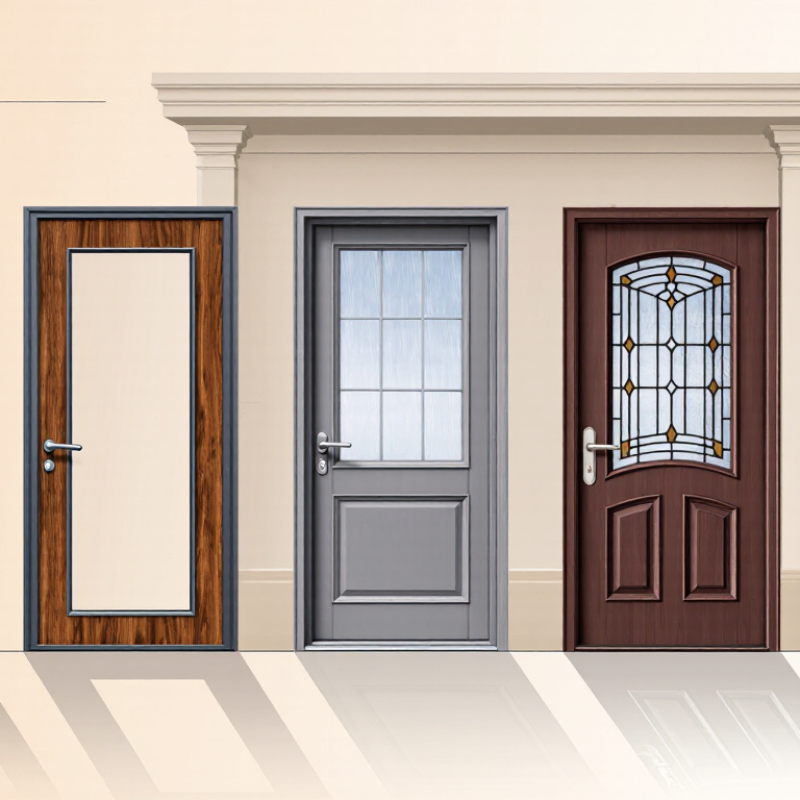
In 2026, fiberglass entry doors are moving beyond basic weather protection. Homeowners now compare thermal performance, security, glass design, maintenance, and curb appeal. The strongest choices include smooth fiberglass slabs, realistic woodgrain doors, full-lite models, half-lite designs, and decorative glass systems. Each type solves a different problem. Some suit a shaded porch. Others perform better under intense sun or heavy rain.
The global fiberglass doors market was valued at an estimated $13.64 billion in 2024. Fortune Business Insights projects it could reach $20.79 billion by 2032. Those figures suggest sustained demand, but market reports rarely explain installation quality. That gap matters. A premium door can still leak air when the sill, flashing, or frame is poorly fitted. The U.S. Department of Energy also emphasizes that doors work as part of the building envelope, not as isolated products.
Building-science educator Mark LaLiberte offers a useful reminder: “A building is a system, not a collection of products.” His point applies directly to fiberglass entry doors. The slab, weatherstripping, threshold, frame, and surrounding wall must cooperate. Otherwise, impressive laboratory ratings may disappoint on a real porch.
This guide examines the top fiberglass entry door types for 2026. It considers insulation, appearance, glass area, maintenance, security, and climate suitability. Some conclusions remain imperfect. Product data differs between manufacturers, and regional installation practices can change results. Still, these comparisons provide a practical starting point for choosing a door that looks convincing and performs reliably.
Fiberglass Entry Door Types Ranked by NAFS Performance Ratings for 2026
In 2026, fiberglass entry doors should be compared by NAFS performance ratings, not appearance alone. The fiberglass surface resists moisture, but the complete door assembly earns the rating. That includes the slab, frame, hinges, threshold, glass, and installation method.
Ranked by expected NAFS performance, AW-rated fiberglass entry doors sit highest. They suit demanding coastal, high-rise, and exposed commercial locations, where wind pressure and water resistance matter greatly. CW-rated doors follow, offering strong performance for larger residential openings and moderate commercial use. LC-rated doors fit many homes, especially when durability and repeated operation are important. R-rated doors generally serve standard residential entryways with less severe exposure. Ratings are not universal for every size. A wider door or added sidelight may lower the certified performance.
Tips: Ask for the complete NAFS test report, not only a sales label. Check the tested size, design pressure, water resistance, air leakage, and glass configuration. Confirm that installers follow the tested fastening pattern. Small errors around the sill can defeat an otherwise strong assembly. In my experience, homeowners often overvalue a thick-looking slab and overlook the frame. That judgment needs reconsidering. A modest-looking door with a certified, well-installed system can perform better than a heavier untested one.
Wood-Grain Fiberglass Doors: Assess R-Value and Foam Cores Using DOE Data
What Are the 2026 Top Fiberglass Entry Door Types?
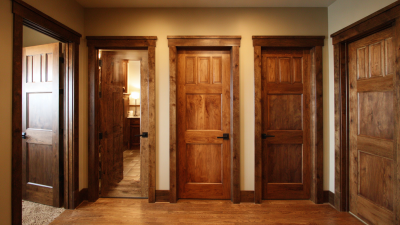
Wood-grain fiberglass entry doors remain practical because their surface resists moisture while imitating painted or stained timber. The real performance question sits inside the slab. DOE Building America guidance notes that foam insulation can deliver far higher resistance than uninsulated wood. Polyurethane cores often reach about R-6 to R-7 per inch, while polystyrene commonly provides roughly R-4 to R-5 per inch. Actual door ratings vary.
Do not judge insulation by the decorative grain. Check the complete assembly’s U-factor, tested under NFRC procedures. A lower U-factor generally indicates better heat-flow control. DOE Energy Saver guidance also stresses weatherstripping, frame sealing, and threshold adjustment. These parts can undermine a well-insulated panel. Small gaps matter.
I would compare the advertised R-value carefully. It may describe the center panel, not the glass, rails, stiles, or frame. That distinction is easy to miss. A 2025 technical review from the National Fenestration Rating Council supports using certified whole-unit data instead of marketing estimates. Look for independently verified U-factor results and installation instructions. Wood-grain texture adds visual warmth, but it does not improve thermal resistance. Foam density, panel thickness, glazing, and edge construction deserve more attention. My practical mistake was focusing on the core alone. A strong panel still performs poorly when the sill leaks air.
What Are the 2026 Top Fiberglass Entry Door Types? - Wood-Grain Fiberglass Doors: Assess R-Value and Foam Cores Using DOE Data
| Wood-Grain Fiberglass Door Type |
Typical Core |
Typical Core Thickness |
Approx. Core R-Value |
Typical Whole-Door R-Value* |
Typical U-Factor Range* |
Energy and Design Assessment |
| Embossed wood-grain, insulated panel door |
Foamed-in-place polyurethane |
1¾–2¼ in. |
R-11–R-16 |
R-7–R-11 |
0.10–0.15 |
Generally the strongest thermal option because polyurethane fills the cavity and reduces air movement. Suitable for cold and mixed climates when weatherstripping and installation are properly completed. |
| Stained wood-look fiberglass panel door |
Polyurethane foam |
1¾–2¼ in. |
R-11–R-16 |
R-7–R-11 |
0.10–0.15 |
Provides the appearance of stained wood without the moisture sensitivity of solid wood. The stain or clear coat changes appearance and maintenance needs, but not the insulation value of the foam core. |
| Painted wood-grain fiberglass panel door |
Polyurethane foam or expanded polystyrene |
1¾–2¼ in. |
R-8–R-16 |
R-5–R-11 |
0.10–0.20 |
A practical low-maintenance choice. Confirm the actual foam type because expanded polystyrene generally provides less R-value per inch than polyurethane. |
| Wood-grain fiberglass half-lite door |
Polyurethane foam plus insulated glazing |
1¾–2¼ in. panel section |
R-11–R-16 panel section |
R-4–R-9 |
0.12–0.25 |
The glass area lowers the average door insulation value compared with a full-panel design. Low-emissivity, double-pane or triple-pane glazing can improve thermal performance. |
| Wood-grain fiberglass full-lite door |
Insulated glass with a foamed fiberglass frame |
Limited solid-panel area |
Not applicable to glass area |
R-3–R-7 |
0.15–0.35 |
Maximizes daylight but normally has the lowest average R-value among the listed configurations. Look for low-e insulated glass and thermally improved glazing spacers. |
| Wood-grain fiberglass double-door system |
Polyurethane foam, with an astragal and meeting seal |
1¾–2¼ in. per leaf |
R-11–R-16 panel sections |
R-5–R-9 |
0.12–0.25 |
The center meeting joint and wider frame create additional air-leakage paths. A continuous astragal, adjustable threshold, and compression weatherstripping are especially important. |
How to read the data: R-value measures resistance to heat flow; higher values generally indicate better insulation. U-factor measures heat transmission through the complete door assembly; lower values generally indicate better thermal performance.
DOE-aligned interpretation: The U.S. Department of Energy explains that building-component performance depends on the complete assembly, including materials, air leakage, glazing, framing, and installation. Therefore, the foam-core R-value should not be treated as the certified whole-door R-value.
Foam reference: Typical design values are approximately R-6 to R-7 per inch for closed-cell polyurethane and approximately R-4 to R-5 per inch for expanded polystyrene. Actual performance varies with density, temperature, aging, joints, hardware cutouts, and edge construction.
Selection priority for 2026: Compare the tested whole-door U-factor, air-leakage rating, glazing specification, threshold design, and installation details rather than choosing by foam type or nominal center-panel R-value alone.
*Values shown are representative planning ranges for insulated fiberglass entry-door configurations, not a certification for any specific product. Verify final performance using the manufacturer’s tested NFRC or equivalent whole-door rating and the applicable local energy code.
Glazed Fiberglass Doors: Evaluate SHGC and Visible Light Under ENERGY STAR
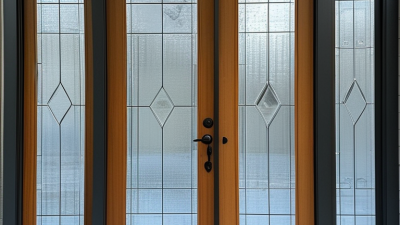
In 2026, top glazed fiberglass entry door types include full-lite, half-lite, and decorative glass designs. They provide daylight, durability, and improved thermal control. Each style changes how sunlight enters the entryway. A full-lite door can brighten a dark foyer. It can also increase unwanted summer heat. That tradeoff matters.
Look beyond the glass pattern. Check SHGC and visible transmittance, or VT, on the NFRC label. SHGC shows how much solar heat passes through the glazed area. Lower values usually help in hot, sunny exposures. Higher values may support passive warmth in colder climates. VT indicates how much visible daylight enters. High VT can reduce daytime lighting demand, but glare may become uncomfortable near polished floors or screens. ENERGY STAR evaluation uses climate-specific performance criteria, so one ideal number does not fit every home. Confirm the rating for the complete door assembly, not only the glass insert. Small detail. Big consequence.
Installation can weaken excellent ratings. I have seen daylight gaps around poorly adjusted frames, especially after seasonal movement. Proper shimming, weatherstripping, drainage, and air sealing deserve close inspection. Exterior shade, porch depth, and door orientation also affect real comfort. This part is easy to overlook. A decorative low-e glass option may look attractive, yet its VT can be lower than expected. Ask for both measurements before choosing. Ratings are useful, not perfect. Local exposure and occupant habits still deserve judgment.
Impact-Rated and Double Fiberglass Doors: Apply ASTM E1996 and NAFS Tests
For 2026, impact-rated and double fiberglass entry doors lead practical design choices. Fiberglass resists moisture, dents, and seasonal movement better than many wood assemblies. Double doors also create a wider opening, but their center meeting point needs careful engineering. The active leaf, inactive leaf, astragal, hinges, and sill must operate as one tested system. A beautiful pair can still leak air or water.
ASTM E1996 evaluates impact protection for exterior openings in windborne-debris regions. It works with ASTM E1886, which measures impact resistance through missile testing. NAFS, or AAMA/WDMA/CSA 101/I.S.2/A440, examines air leakage, water penetration, structural performance, and operating force. These tests matter because impact glass alone does not certify the complete door unit. NOAA’s 2024 Billion-Dollar Weather and Climate Disasters report recorded 27 events costing approximately 182.7 billion dollars. That pressure makes verified performance more valuable than decorative claims. A recurring field lesson is simple: heavier does not always mean safer.
Tips: Ask for the complete assembly’s test report, not only the glass rating. Confirm the exact size, configuration, swing direction, and installation method. Check whether the double-door meeting stile passed testing with the selected hardware. Small gaps at the sill can become visible after heavy rain. I would also question vague terms like “hurricane ready.” They sound useful, but they lack measurable meaning without standard references.
2026 Fiberglass Entry Door Types: ASTM E1996 and NAFS Test Relevance
A scope-based comparison of common fiberglass entry door configurations. A value of 1 indicates that the standard is typically relevant to the door type; 0 indicates that it is not generally triggered by the configuration alone.
NAFS evaluates fenestration performance such as air leakage, water penetration resistance, and structural performance. ASTM E1996 addresses exterior openings exposed to windborne-debris requirements and is generally associated with impact-rated assemblies, usually together with impact-testing procedures. Actual compliance depends on the project location, building code, door assembly, glazing, hardware, and certification requirements.