Ultimate Guide to Choosing the Perfect Exterior Front Door for Your Home
When it comes to enhancing your home's curb appeal and ensuring security, choosing the right exterior front door is a critical decision. According to a report by the National Association of Realtors, replacing an exterior front door can yield a return on investment of up to 75%, making it one of the most valuable renovations a homeowner can undertake. Not only does the right door set the tone for your home's aesthetic, but it also plays a vital role in energy efficiency and overall safety. With a plethora of materials, styles, and technologies available, navigating the selection process can be overwhelming. This ultimate guide aims to simplify your choices and help you identify the perfect exterior front door that fits your budget, style, and functional needs, ensuring that your entryway reflects both beauty and practicality.
Factors to Consider When Selecting an Exterior Front Door
When selecting the perfect exterior front door for your home, it's crucial to consider various factors that impact both aesthetics and functionality. One of the primary considerations is energy efficiency. According to the U.S. Department of Energy, exterior doors can significantly contribute to heat loss, with poorly insulated doors allowing up to 30% of a home’s heating energy to escape. Opting for doors with high R-values, or those labeled with ENERGY STAR certification, can enhance your home’s energy efficiency and reduce utility bills.
Another important aspect to consider is material selection. Common choices include wood, fiberglass, and steel; each comes with its own advantages. According to the National Association of Realtors, fiberglass doors are gaining popularity due to their durability and low maintenance, providing an average return on investment of around 70% at resale. Additionally, security features should not be overlooked. Doors equipped with multi-point locking systems and reinforced frames can significantly improve home security, with the FBI reporting that around 70% of break-ins involve forced entry through doors.
Balancing these factors will help guide homeowners to a front door that meets both their aesthetic preferences and practical needs.
Exploring Different Materials for Your Home’s Front Door
When selecting the perfect exterior front door for your home, understanding the various materials available is crucial. Each material comes with its unique benefits and characteristics that can significantly affect your home's aesthetic and security. Common materials include wood, fiberglass, steel, and aluminum.
Wood doors offer a classic, warm aesthetic, but require regular maintenance to prevent warping and damage from the elements. On the other hand, fiberglass doors provide the look of wood but with lower maintenance needs and better insulation properties. Steel doors are known for their durability and security; they can withstand harsh weather and provide great energy efficiency. Lastly, aluminum doors are lightweight and resistant to corrosion, making them a great option for coastal homes.
**Tips:** When choosing a door, consider the climate in your area to ensure the material can withstand local weather conditions. Additionally, prioritize insulation properties for energy efficiency; a well-insulated door can save you money on heating and cooling. Lastly, don't overlook the importance of design and color – your front door is a focal point of your home’s exterior, so select a style that complements your overall architectural theme.
Ultimate Guide to Choosing the Perfect Exterior Front Door for Your Home - Exploring Different Materials for Your Home’s Front Door
| Material |
Durability |
Energy Efficiency |
Maintenance |
Cost |
| Wood |
Moderate |
Good |
High |
$$$ |
| Fiberglass |
High |
Excellent |
Low |
$$ |
| Steel |
Very High |
Good |
Low |
$$ |
| Aluminum |
High |
Good |
Very Low |
$$ |
| Composite |
High |
Excellent |
Low |
$$$ |
Choosing the Right Style to Complement Your Home’s Architecture
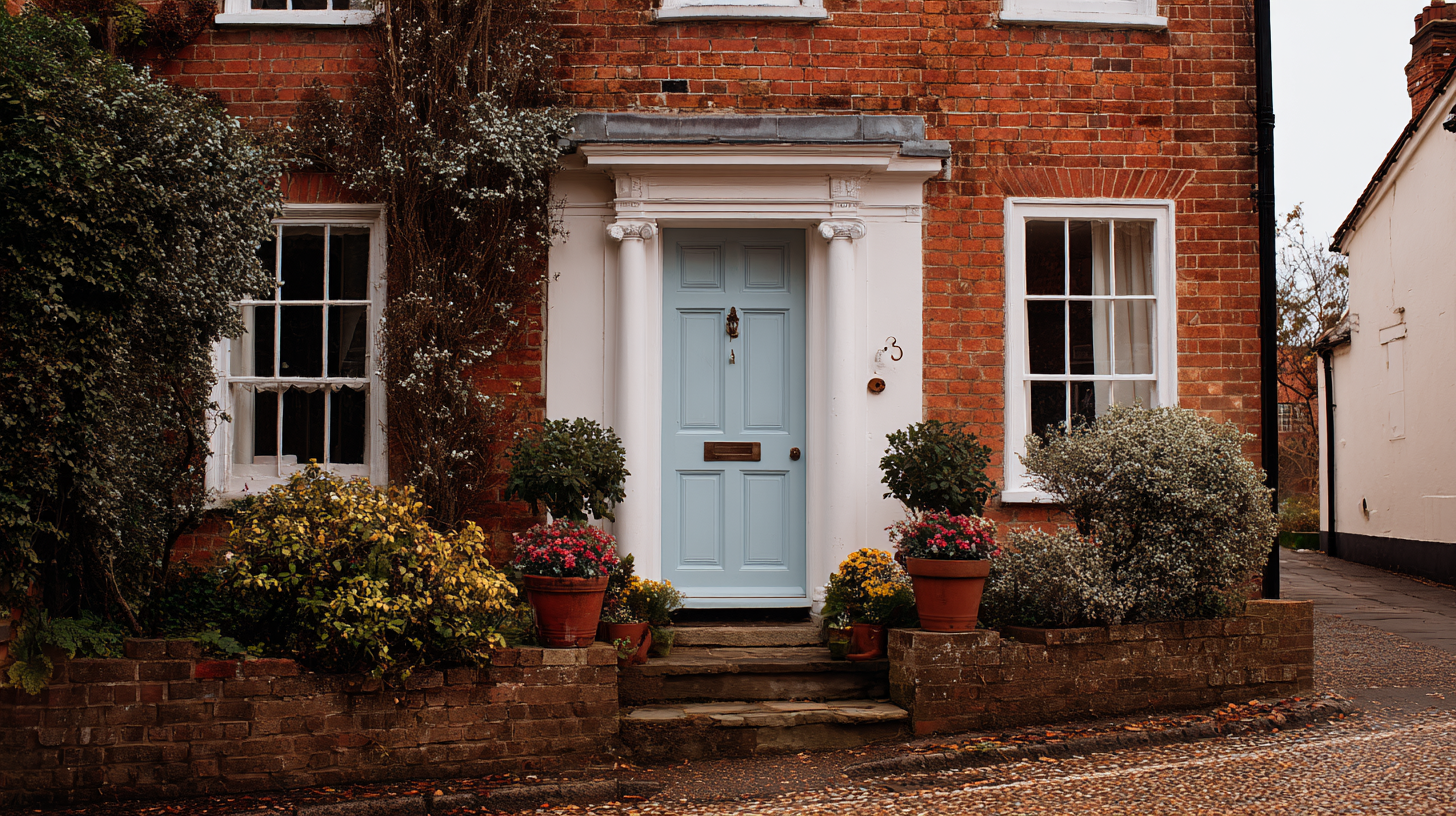
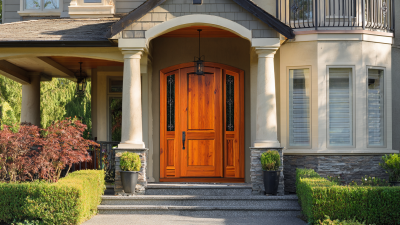
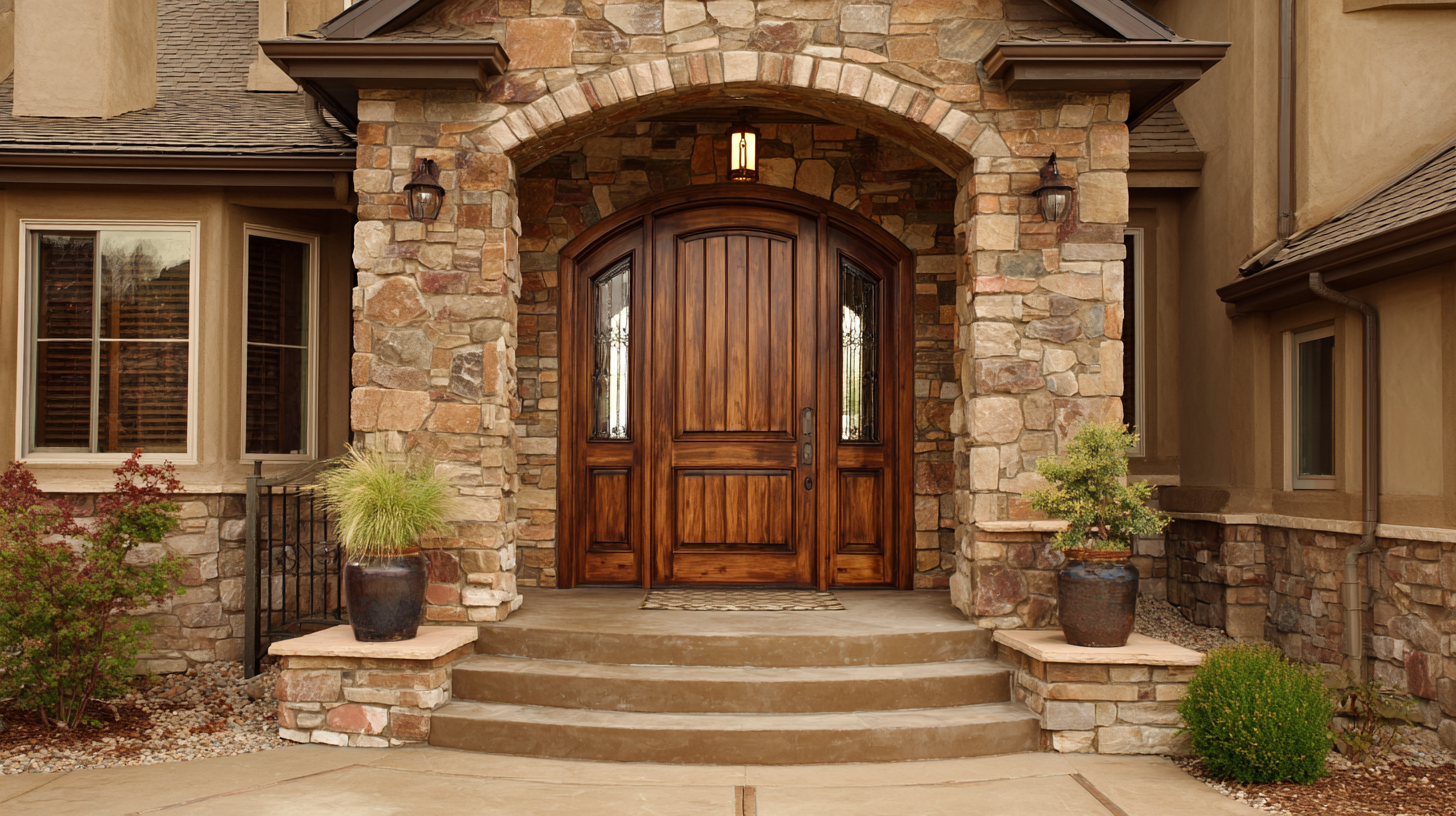
When selecting the perfect exterior front door for your home, it’s essential to consider the architectural style of your house. The door serves as a focal point and can dramatically enhance the overall aesthetic. For traditional homes, consider classic styles like paneled or arched doors, which add character and warmth. Conversely, modern architecture often pairs well with sleek, minimalist designs that utilize glass and metal to convey sophistication. By choosing a door that reflects the design of your home, you can create a harmonious look that resonates with the surrounding environment.
Furthermore, color plays a pivotal role in the appeal of your front door. Opt for timeless hues such as deep blues, reds, or classic blacks that accentuate your home’s architectural elements without overwhelming it. As trends evolve, staying mindful of color combinations that complement your exterior paint can ensure longevity. A well-chosen front door not only welcomes guests but also boosts curb appeal, making a statement about your home’s personality and style.
Understanding Energy Efficiency Ratings for Exterior Doors
When choosing the perfect exterior front door for your home, energy efficiency should be a top priority. According to the U.S. Department of Energy, doors can account for up to 10% of a home's energy loss. Therefore, selecting a door with a high Energy Star rating can significantly reduce heating and cooling costs, making it an investment that pays for itself over time. Look for doors with low U-factor and high R-value, which indicate better insulation properties and reduced thermal conductivity.
In addition to energy efficiency ratings, consider the materials used in the door's construction. Fiberglass doors, for instance, offer superior thermal performance, boasting up to five times the insulation of wood doors. A recent report from the National Association of Realtors highlights that homeowners can save an average of $100 annually on energy bills by upgrading to an energy-efficient door.
**Tips:**
Always check for the NFRC label, which certifies energy ratings. Opt for weather stripping to further enhance energy performance. Lastly, ensure your door frames are tightly sealed, as gaps can lead to significant energy loss, regardless of the door’s efficiency rating.
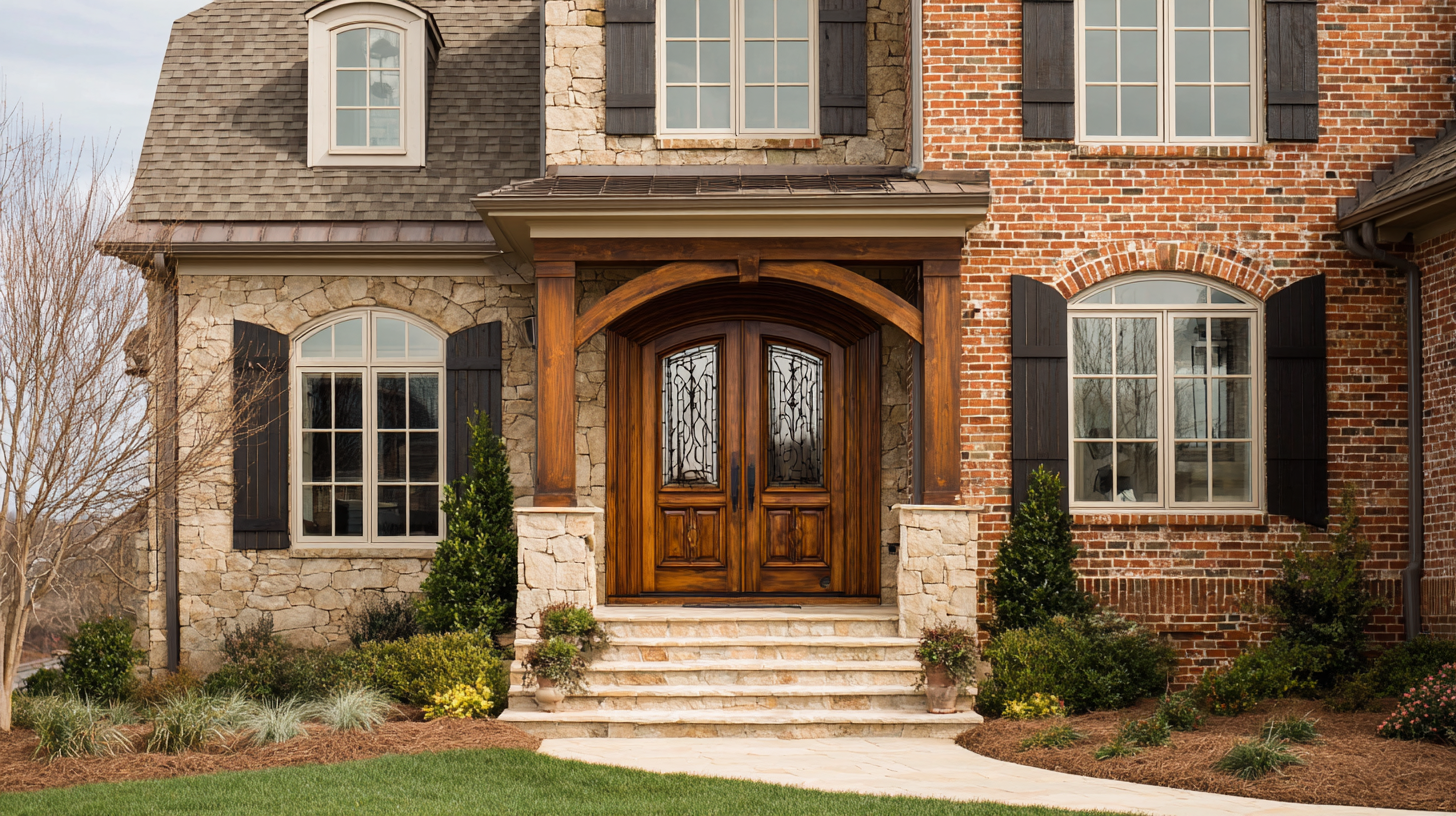
Tips for Measuring and Ensuring a Perfect Fit for Your Door
When choosing the perfect exterior front door for your home, accurate measurements are essential to ensure a flawless fit. Start by measuring the existing door frame. Use a tape measure to gauge the height and width, taking note of any variations. It’s crucial to measure at three different points: the top, middle, and bottom for width, and both sides for height. This will help you identify any irregularities that could affect the installation process.
Once you have your measurements, consider the door thickness as well. Standard exterior doors typically range from 1 3/4 inches to 2 1/4 inches thick. Be mindful of the space available for the door and ensure that you account for any hinges or hardware that may require additional room. Additionally, when selecting your door, consider whether you want a pre-hung option, which includes the frame and hinges, or a slab door that requires separate framing. By taking these careful measurements and considerations into account, you can confidently choose a door that complements your home’s aesthetic while ensuring a perfect fit.