The Rise of Double Doors in Modern Architecture Enhancing Space and Style
The evolution of architectural design has been significantly marked by the increasing popularity of double doors, which seamlessly blend functionality with elegance in modern spaces. These architectural elements not only enhance the entryway of residential and commercial properties but also create a sense of grandeur and openness that draws people in. Double doors serve as a perfect solution for maximizing natural light while offering robust security and ease of access. As design trends lean toward minimalism and spaciousness, the use of double doors is becoming more prevalent, allowing for fluid transitions between indoor and outdoor environments. This article explores the rise of double doors in contemporary architecture, offering insights and tips on how to effectively incorporate them into various design schemes, ensuring that both style and practicality are harmoniously achieved.
The Evolution of Double Doors in Architectural Design Trends
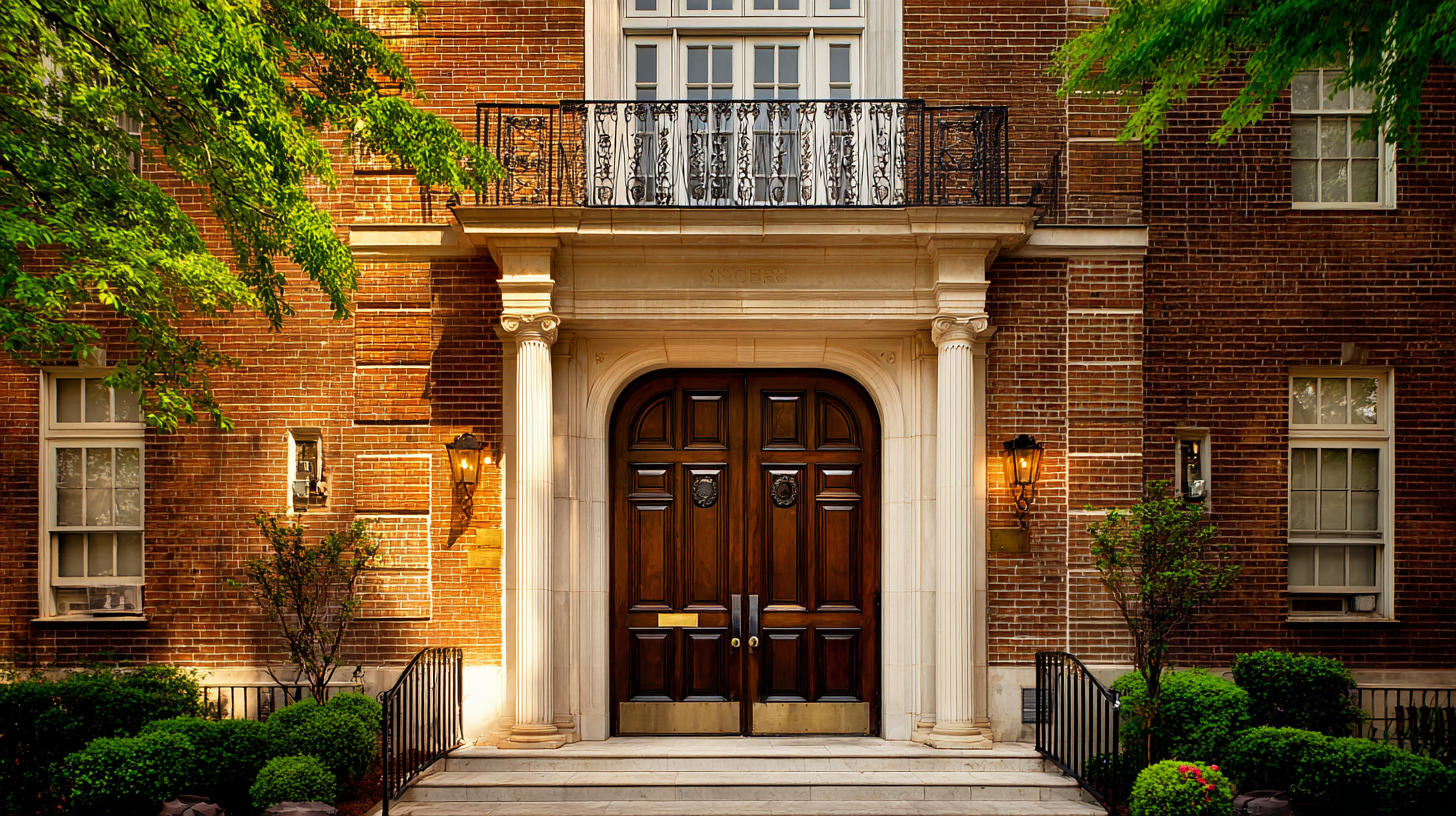
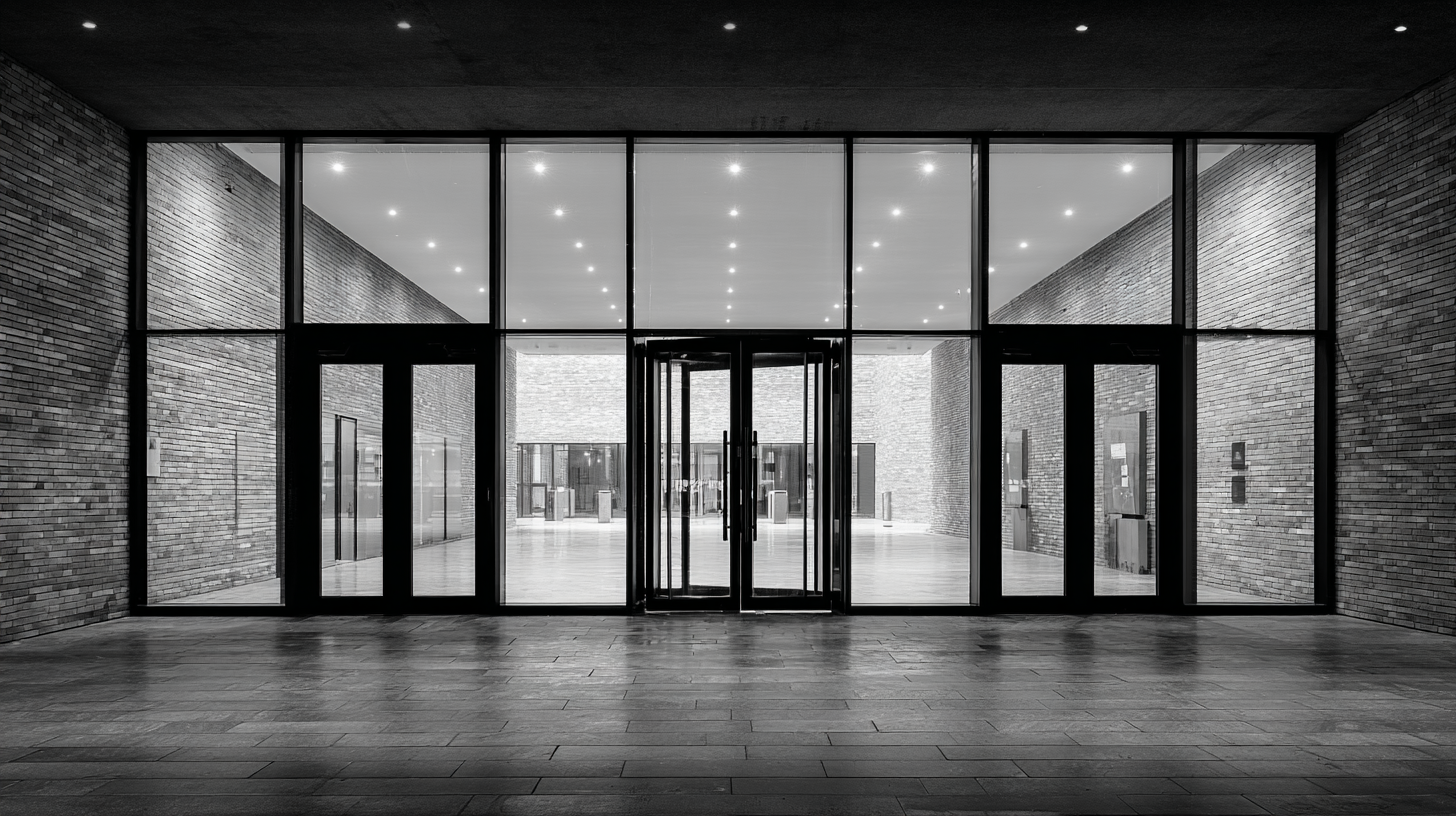 Double doors have significantly evolved throughout the history of architectural design, emerging as a prominent feature in modern constructions. Initially regarded as a practical solution for larger entrances, double doors now embody a blend of functionality and aesthetic appeal. In contemporary architecture, they have transitioned from merely serving as entry points to becoming striking focal points that enhance the overall space. Designers leverage various materials, finishes, and innovative technologies to create double doors that complement modern styles, transitioning seamlessly between indoor and outdoor environments.
The trend toward open-concept living spaces has further fueled the popularity of double doors. These structures not only improve accessibility but also invite natural light and create a sense of flow within larger living areas. As homeowners and architects increasingly prioritize sustainability and design coherence, double doors reflect the modern ethos of transparency and connection. With advances in design practices, including customizable features and energy-efficient materials, double doors are positioned as an integral part of contemporary architectural language, embodying both elegance and practicality in today's built environments.
Key Benefits of Double Doors for Space Optimization and Flow
Double doors have become increasingly popular in modern architecture, primarily due to their ability to optimize space and enhance the flow between rooms. According to a report by the American Institute of Architects, the trend towards open floor plans has significantly influenced the design of interior spaces, with double doors serving as a practical solution for creating seamless transitions between different areas. Their wider opening provides easy access, allowing for better movement and interaction, which is particularly beneficial in residential and commercial environments alike.
Furthermore, double doors contribute to an illusion of space, making areas feel larger and more inviting. A study published in the Journal of Interior Design highlights that spaces featuring double doors are perceived to be 19% more open and airy than those with single-entry points. This spatial advantage not only enhances aesthetics but also improves functionality, particularly in bustling environments such as restaurants or office spaces, where foot traffic is high. By integrating double doors, architects can achieve both style and practicality, underlining their rising significance in contemporary architectural designs.
Comparative Analysis of Materials Used in Modern Double Door Systems
The resurgence of double doors in modern architecture has been significantly influenced by the materials used in their construction, with variations offering both aesthetic appeal and functional advantages. According to a recent report by the American Institute of Architects, the use of glass and aluminum in double door systems has seen a 35% increase from 2020 to 2023. These materials enhance natural light penetration and provide an elegant, contemporary look that aligns well with current design trends.
Wood remains a favored choice, particularly for residential applications, due to its warmth and versatility. A study conducted by the National Wood Flooring Association indicated that nearly 40% of architects prefer high-quality hardwood for double doors, as it not only exudes sophistication but also offers better insulation properties compared to metal alternatives. However, composite materials are gaining traction as eco-friendly alternatives that offer durability and low maintenance, with production rates expected to rise by 25% over the next two years.
In terms of cost-effectiveness, fiberglass has emerged as a winner, combining lightweight construction with resistance to elements like moisture and temperature. Market research published by the Door and Access Systems Manufacturers Association highlighted that installation costs for fiberglass double doors can be up to 20% lower over time due to reduced maintenance needs. This shift in material preference not only enhances the functionality of modern double door systems but also caters to the evolving demands of architects and homeowners alike.
Market Insights: The Growing Demand for Aesthetic and Functional Double Doors
The growing demand for aesthetic and functional double doors in modern architecture reflects a significant shift in consumer preferences within the global home decor market. Valued at approximately $747.75 billion in 2024, the market is projected to rise to $802.26 billion in 2025 and continue expanding to an impressive $1,097.51 billion by 2032. This growth is indicative of a broader trend wherein homeowners increasingly prioritize design elements that enhance both space and style, leading to a heightened interest in double doors.
As part of this trend, the window and door market is also experiencing substantial growth. Estimated to be worth $220.79 billion in 2024, it is forecasted to grow to $370.28 billion by 2033, with a compound annual growth rate (CAGR) of 5.91%. Innovations in design and materials are driving this segment forward, as consumers seek durable, high-quality products that offer both functionality and aesthetic appeal. In an era where 70% of consumers now value quality and durability over price, double doors serve as a perfect embodiment of these evolving expectations, providing an attractive entry point into homes while maximizing natural light and spatial flow.
Case Studies: Iconic Buildings Featuring Innovative Double Door Solutions
The incorporation of double doors in modern architecture not only enhances the aesthetic appeal of iconic buildings but also contributes significantly to functionality and space management. According to a report from the Architectural Research Institute, approximately 60% of contemporary architects are increasingly opting for double door solutions in their designs, citing improved accessibility and natural light as key benefits. Notable examples include the Louvre Abu Dhabi, where expansive double doors frame stunning museum galleries, allowing for a seamless transition between indoor and outdoor spaces, creating an inviting atmosphere for visitors.
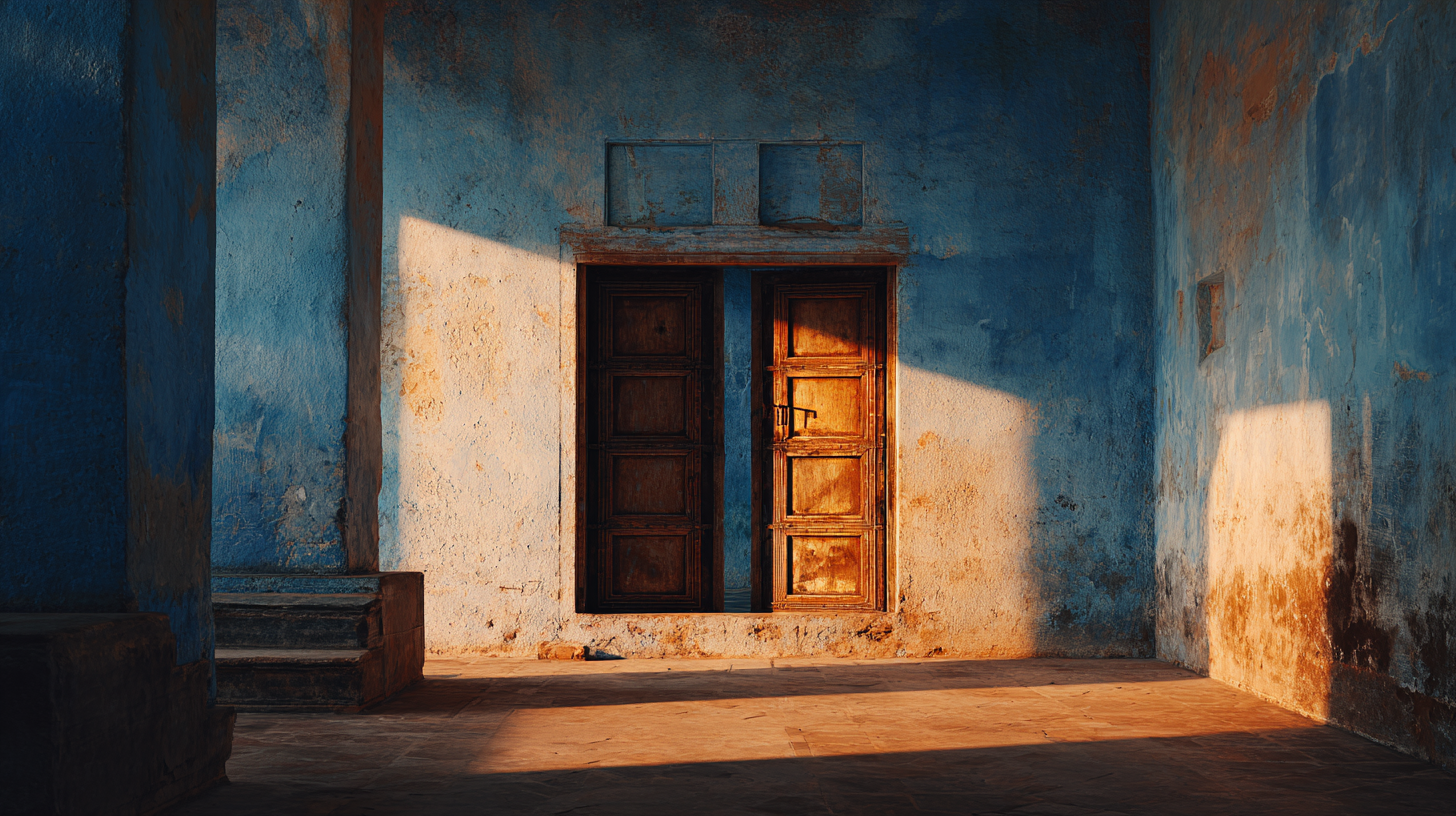 In addition to aesthetic and functional advantages, double doors can significantly influence energy efficiency in buildings. A study conducted by the American Institute of Architects indicates that buildings with strategically designed double doors maintain stable indoor climates more effectively, consequently reducing energy consumption by 15-20%. The Apple Park in Cupertino exemplifies this trend, where the use of large, glass double doors enhances both the building's modern design and its energy performance, allowing ample daylight while minimizing reliance on artificial lighting. These case studies highlight how innovative double door solutions are redefining space in architectural design, merging style and sustainability.