The Impact of Energy Efficient House Doors on Home Insulation and Cost Savings
In recent years, the integration of energy-efficient house doors has gained attention as homeowners seek to enhance insulation and reduce energy costs. According to the U.S. Department of Energy, proper insulation can save households between 10% to 50% on heating and cooling bills, highlighting the significance of choosing the right house doors.
Energy-efficient doors, often constructed with advanced materials and insulation technologies, not only prevent drafts and heat loss but also contribute to a more sustainable living environment. A study published by the National Association of Realtors indicates that installing high-quality house doors can lead to an average of $1,500 in energy savings over a door's lifetime.
As energy prices continue to rise, the investment in efficient house doors becomes not just a matter of comfort, but also a financially wise decision for homeowners focused on long-term savings. This article explores the myriad benefits associated with upgrading to energy-efficient house doors, emphasizing their role in enhancing home insulation and facilitating substantial cost savings.
The Role of Energy Efficient Doors in Enhancing Home Insulation Ratings
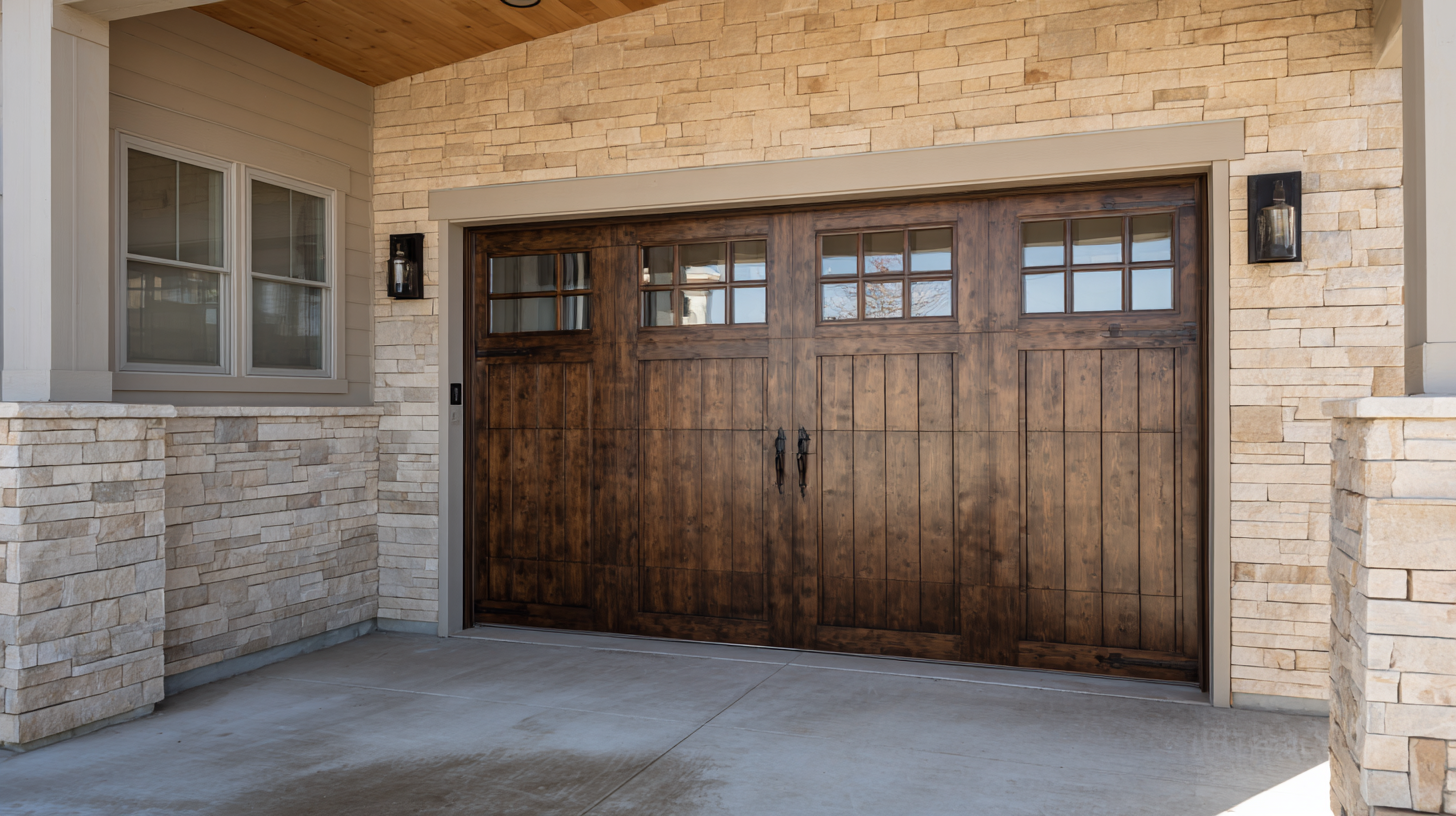 Energy efficient doors play a crucial role in enhancing home insulation ratings, which directly impacts a home's overall energy performance. These doors are designed with advanced materials and technologies that minimize heat transfer, thereby reducing the amount of energy required to maintain comfortable indoor temperatures. By effectively sealing the entry points, energy efficient doors help prevent drafts and leaks, ensuring that homes remain warm in the winter and cool in the summer. This improvement in insulation not only increases comfort for the occupants but also contributes to lower energy consumption.
Incorporating energy efficient doors into a home can significantly elevate its insulation rating, often measured through the Energy Star system or similar assessments. High-performance doors typically feature attributes such as multi-point locking systems, insulated cores, and low-emissivity (Low-E) glass. These elements collectively enhance the thermal barrier of a home, making it less reliant on heating and cooling systems. As a result, homeowners can expect to see reductions in their utility bills while also benefiting from an increase in the property’s value, attributed to improved energy efficiency and comfort.
Analyzing Cost Savings: Energy Efficient Doors vs. Traditional Options
When it comes to home insulation, the choice of doors can significantly influence energy efficiency and, consequently, cost savings. According to a report by the U.S. Department of Energy, households can save between $100 to $200 annually on heating and cooling costs by installing energy-efficient doors compared to traditional options. These doors feature advanced insulation materials and technologies that help reduce air leakage, maintaining a stable indoor temperature and decreasing reliance on heating and cooling systems.
**Tips for Choosing Energy Efficient Doors:**
1. Look for doors with a high R-value, indicating better insulation performance. The higher the R-value, the more effective the door is at resisting heat transfer.
2. Consider materials that are inherently insulating, such as fiberglass or steel with foam core, which offer better energy efficiency compared to standard wooden doors.
3. Check for ENERGY STAR certification, which ensures that the door meets strict energy efficiency guidelines set by the EPA, providing an even higher likelihood of achieving cost savings over time.
Investing in energy-efficient doors not only contributes to lower utility bills but also enhances the overall comfort of your home. As the market continues to grow, it’s essential to compare your options and choose products that align with both your budget and energy efficiency goals.
The Impact of Energy Efficient House Doors on Home Insulation and Cost Savings
| Door Type |
U-Value (W/m²K) |
Estimated Cost ($) |
Annual Energy Savings ($) |
Payback Period (years) |
| Traditional Wooden Door |
2.5 |
800 |
100 |
8 |
| Fiberglass Door |
1.5 |
1200 |
150 |
8 |
| Steel Door |
1.0 |
1000 |
200 |
5 |
| Energy Efficient Door |
0.8 |
1500 |
250 |
6 |
Statistics on Energy Loss: How Insufficient Door Insulation Affects Bills
Insufficient door insulation can lead to significant energy loss in homes, directly affecting monthly utility bills. According to the U.S. Department of Energy, poorly insulated doors can account for 10-15% of total heat loss in a household. This statistic highlights the importance of investing in energy-efficient door solutions. In fact, a study conducted by the National Renewable Energy Laboratory found that upgrading to Energy Star-rated doors can reduce heating costs by up to 20%, translating to substantial annual savings for homeowners.

Moreover, a report from the Alliance to Save Energy indicates that homes with energy-efficient doors can save an average of $200 per year on their energy bills. The impact is particularly notable in warmer climates, where air conditioning expenses can soar. By enhancing door insulation, homeowners not only improve indoor comfort levels but also contribute to a more sustainable environment. With rising energy costs, the financial benefits of efficient door installations are more critical than ever, making them a wise investment for those looking to maximize their home’s energy performance and reduce overall expenses.
Five Key Features of Energy Efficient Doors That Reduce Energy Consumption
Energy-efficient house doors play a crucial role in enhancing home insulation and reducing energy expenses. Here are five key features that make these doors essential for any property owner looking to decrease energy consumption: insulation value, air leakage resistance, material choice, weather stripping, and design. Selecting doors with high insulation values ensures minimal heat transfer, significantly enhancing indoor comfort while lowering heating and cooling costs.
When considering energy-efficient doors, pay attention to the material. Fiberglass and steel doors typically provide better insulation than wood. Additionally, prioritize air leakage resistance; doors with tighter seals prevent drafts, which not only improves temperature regulation but also reduces the burden on heating systems.
**Tips:** Invest in doors that come with quality weather stripping. This simple addition creates a snug fit, further minimizing energy loss. Regularly check seals and hinges for wear and tear, and replace them as needed to maintain efficiency. Remember, even a small gap can lead to considerable energy wastage over time.
Tips for Selecting the Right Energy Efficient Door for Maximum Savings
When selecting an energy efficient door, homeowners must consider various factors that influence both insulation effectiveness and potential cost savings. According to the U.S. Department of Energy, a well-insulated door can save homeowners an average of 10-20% on energy bills. This highlights the importance of choosing the right materials and technologies to ensure optimal performance against energy loss.
Tips for Selecting the Right Energy Efficient Door for Maximum Savings:
Firstly, look for doors with a high R-value, which measures resistance to heat flow. Doors with an R-value of 5 or higher are generally considered energy efficient. Secondly, consider the type of material; fiberglass doors tend to offer better insulation properties compared to steel or wooden doors. Also, ensure the door has proper weather stripping and energy-efficient glazing to further enhance insulation and reduce drafts.
Another vital aspect to consider is the door's Energy Star certification. According to ENERGY STAR® estimates, certified doors can save consumers approximately 15% on their overall energy costs. By paying attention to these details, homeowners can maximize their energy savings and contribute to a more sustainable environment through their choice of door.