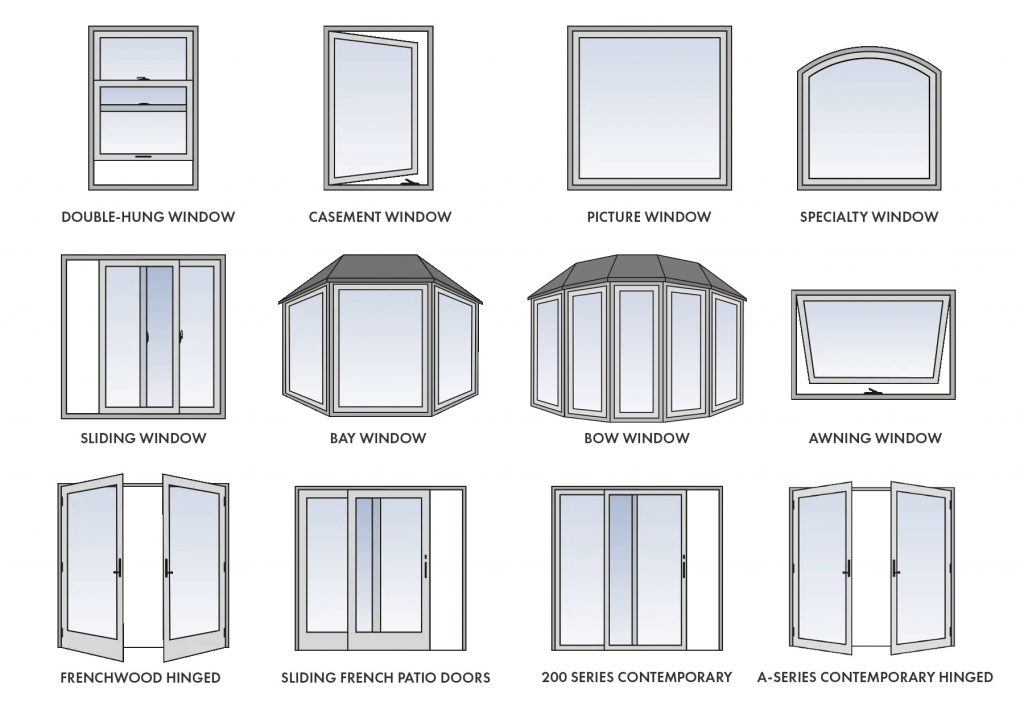
How to Choose the Right Pella Exterior Doors?
Choosing pella exterior doors is not just a color decision. A door faces rain, wind, sunlight, and repeated daily use. The right choice depends on your climate, entryway exposure, security needs, and how carefully the frame will be installed.
Energy performance deserves attention, but the evidence needs careful reading. ENERGY STAR reports that heat gain and loss through windows account for about 25%–30% of residential heating and cooling energy use; that figure concerns windows, not doors. For doors, look for product-specific ratings and confirm that the complete unit—including its frame and glass—suits your climate. Remodeling magazine’s 2024 Cost vs. Value report found a high national resale-cost recovery for steel entry-door replacement. That is a remodeling benchmark, not a promise about any Pella model or local sale.
Building scientist Joseph Lstiburek’s building-envelope work offers a useful perspective: exterior components must manage water, air, and heat, not merely look attractive. That is a paraphrase of his broader guidance, not a direct quotation. Details matter. Check the threshold, weatherstripping, glazing, and swing clearance; a small installation gap can undermine an otherwise well-chosen door. Ask about material, finish, warranty terms, and maintenance before comparing styles. A vivid finish may catch your eye. It may also need more upkeep than you expect. This guide will help you weigh those trade-offs and choose with evidence, not showroom lighting alone.
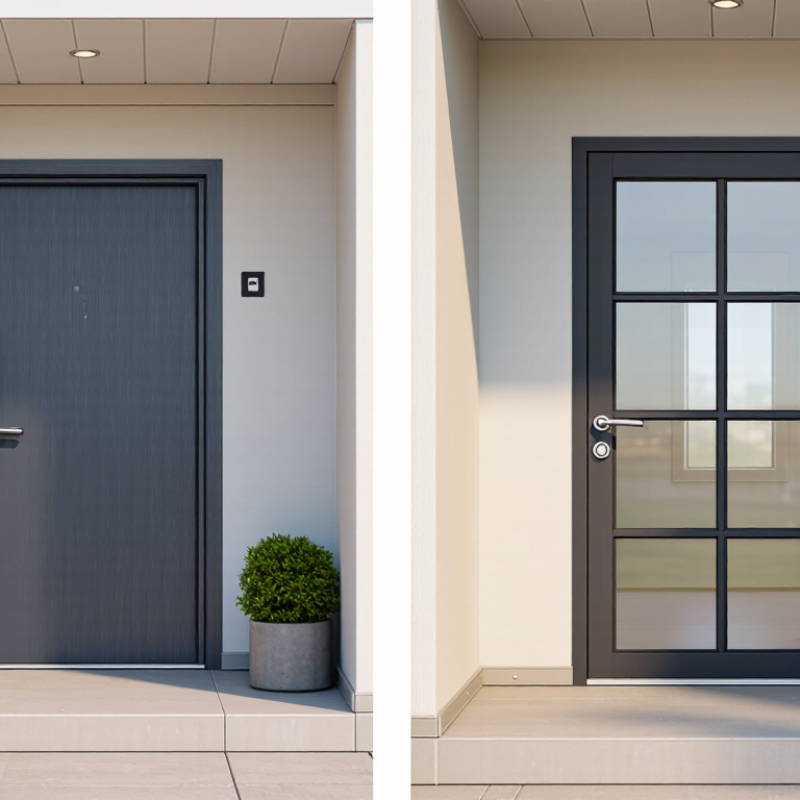
Define Your Entryway Needs and Door Requirements
Before comparing exterior doors, observe how your entryway works on an ordinary day. Does it face strong afternoon sun, driving rain, or a busy sidewalk? These details affect material, finish, glazing, and privacy needs. Notice where wet shoes collect and whether the threshold gets slippery. Small clues matter.
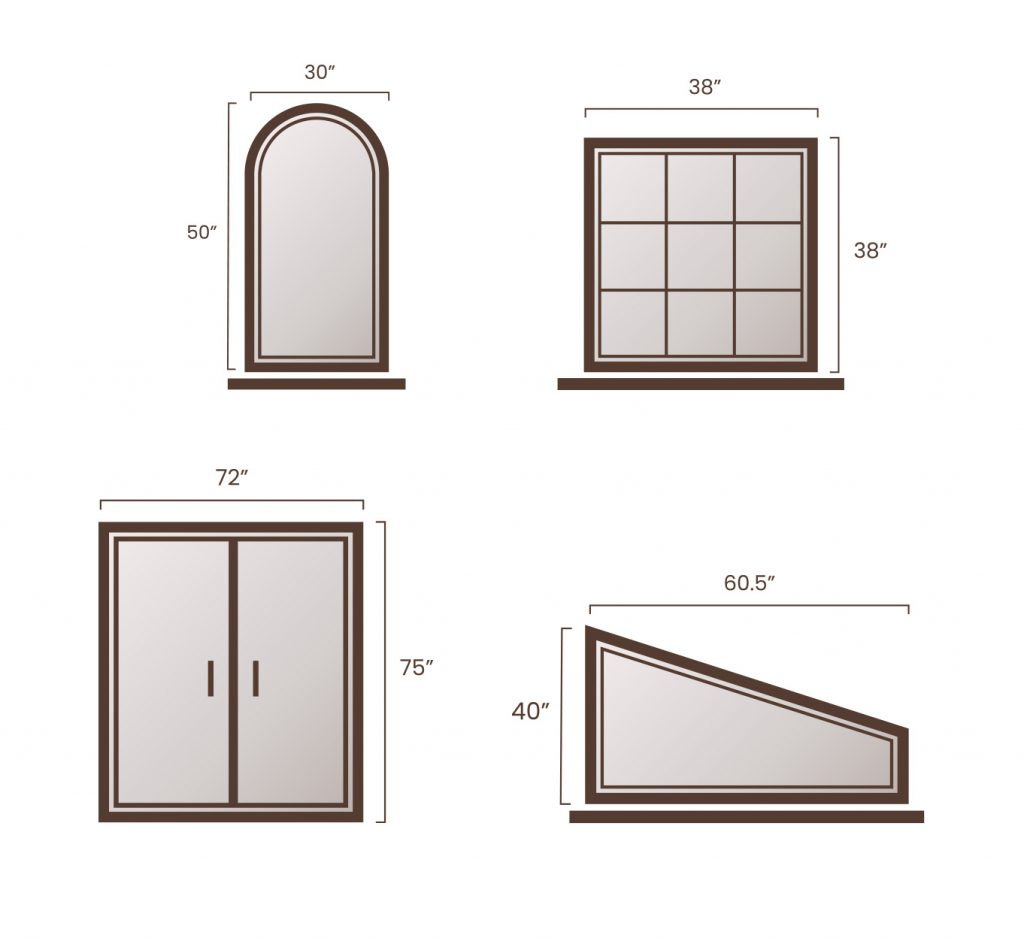
Measure the opening, including its width, height, and depth, and check which way the door should swing. Leave room for nearby walls, steps, furniture, and delivery boxes. A wider entry may help with moving large items, but only if the surrounding space allows it. Check the frame and sill for damage, too; a new door may not solve drafts caused by a worn opening.
Think about who uses the entrance and what they need. Children, older adults, or anyone carrying groceries may benefit from an easy-to-operate handle and a clear approach. Consider how much glass feels comfortable: a narrow pane can brighten a dim hall, while textured glazing can soften views from outside. Ask an installer to verify measurements and assess weather exposure before ordering. Measurements can look simple, but uneven floors and older frames complicate them. That’s easy to overlook. Your preferences may change after seeing samples in the actual light, so avoid deciding from a small online image alone.
Compare Pella Exterior Door Types and Materials
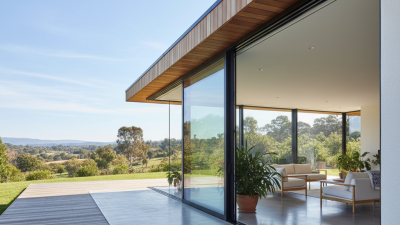
Exterior doors differ in operation, insulation, upkeep, and available daylight. Hinged entry doors seal well when properly fitted and weather-stripped. Sliding patio doors save swing space and bring in broad views, but their tracks need regular cleaning. French-style doors offer a wider opening; check that nearby furniture will not block their swing.
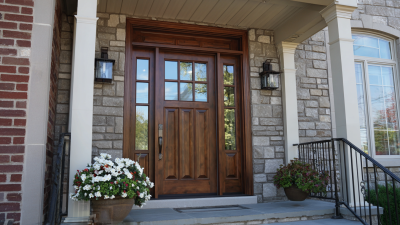
Material changes the maintenance burden. Fiberglass resists moisture and can mimic wood grain, though finishes and quality vary. Steel is often sturdy and comparatively low-maintenance, but dents may be difficult to repair. Wood offers natural warmth and can be refinished, yet exposed edges need consistent sealing. Measure the opening carefully.
The 2024 Cost vs. Value report estimated a national average of $2,355 for a steel entry-door replacement and $4,430 in resale value, a modeled 188.1% cost recouped.
This is a project estimate, not a guaranteed return, and local prices differ. I still find the choice less tidy than catalogs suggest: a durable door can be the wrong one if its swing, glazing, or upkeep does not suit the home. Compare frame construction, glass area, weather seals, and installation details—not material labels alone.
Choose a Style, Finish, and Glass Configuration
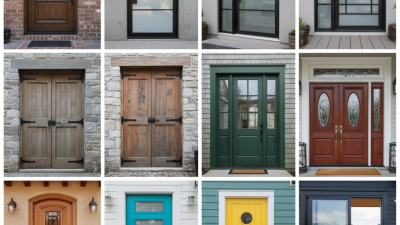
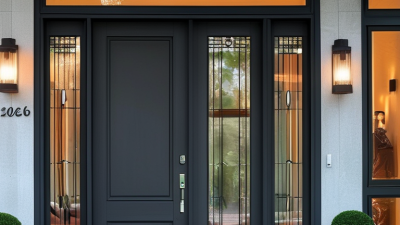
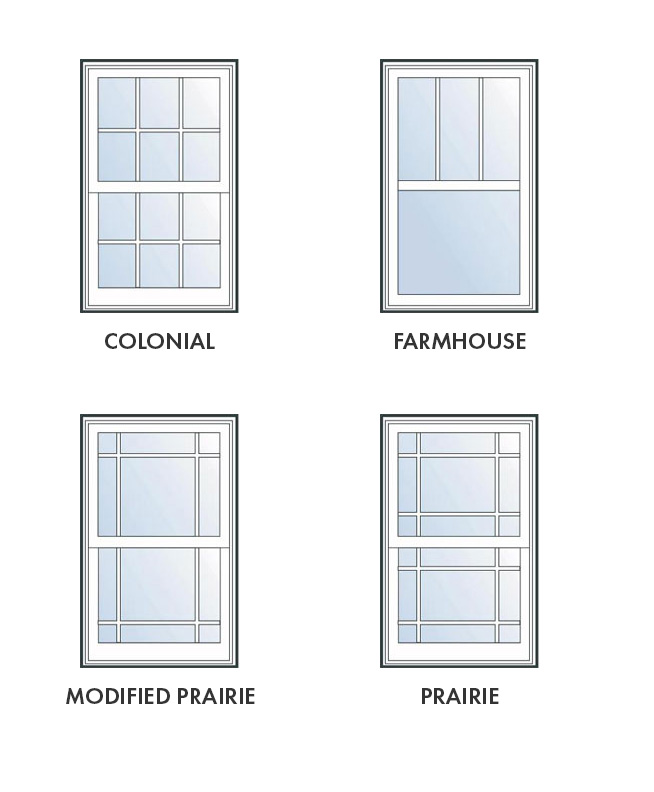
Choosing an exterior door starts with its job. A tall glass panel can brighten a dim entry, while smaller panes offer more privacy. Match the style to the home’s lines: simple rectangles suit modern façades; divided lights often complement traditional trim. Stand outside and view the door from the curb. Details that look charming up close can feel busy from the street.
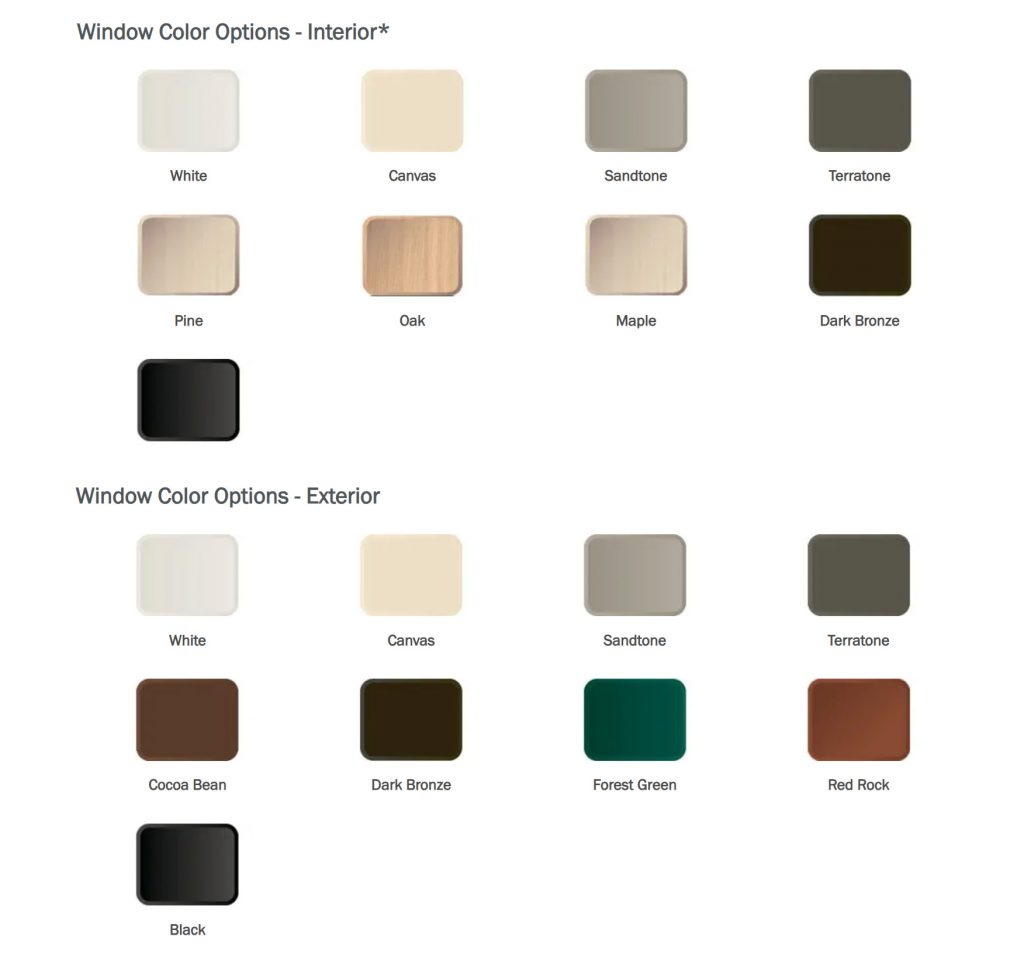
Finish matters at arm’s length. Compare samples outdoors, where sunlight can shift a color’s appearance. Dark finishes may show dust and scratches more readily. Consider the surrounding siding, hardware, and porch shade—not just a paint chip. Then choose glass for both light and comfort. The U.S. Department of Energy reports that windows account for about 25–30% of residential heating and cooling energy use; this is not a door-specific figure, but it underscores why glazing performance deserves attention. Look for documented ratings, and compare insulated glass options for your climate. Clear glass feels open. Frosted glass softens views. I’ve seen attractive choices disappoint when privacy was overlooked, so check the sightline from the sidewalk at night. Do that before ordering.
Evaluate Energy Efficiency, Security, and Maintenance
Choosing an exterior door means balancing energy performance with the conditions around your entryway. Check the door’s published U-factor; lower values generally indicate less heat transfer. In sunny climates, compare solar heat gain ratings too. A well-insulated slab can still waste energy if weatherstripping leaves a visible gap. Small gaps matter. Ask how the frame, threshold, and glass affect the complete door assembly, not just the center panel. Ratings help, but installation quality matters just as much.
Security depends on more than a heavy-looking door. Look for a sturdy frame, a reinforced strike area, and a lock that engages securely. Glass near the handle may need added protection, since it can be a weak point. It is tempting to focus on lock features alone; that misses the frame and installation. Maintenance varies by material and exposure. Painted wood may need periodic inspection for peeling, especially near the bottom edge where rain collects. Fiberglass and steel usually need less routine care, but seals and hardware still wear. Check hinges, finish, and weatherstripping each season. I would not assume “low maintenance” means no maintenance.
How to Choose the Right Exterior Doors: Evaluate Energy Efficiency, Security, and Maintenance
| Door Type |
Energy Efficiency |
Security Considerations |
Maintenance |
Best Suited For |
| Insulated fiberglass |
Insulated cores and perimeter weatherstripping can help limit heat transfer and drafts. Check the complete door assembly’s certified U-factor; a lower U-factor indicates better insulation. |
Security depends on the lock, strike plate, frame, hinges, and installation—not the door skin alone. Select a reinforced frame and a deadbolt-compatible configuration. |
Usually needs periodic cleaning and inspection of seals. Refinish or repaint when the manufacturer’s finish-care instructions call for it. |
Homeowners seeking a balance of insulation, durability, and relatively low routine upkeep. |
| Insulated steel |
An insulated core can provide good thermal performance. Compare certified whole-door U-factors and check that weatherstripping creates a snug seal. |
A strong choice when paired with a sturdy frame and properly installed deadbolt. Inspect the frame and lock-side reinforcement as part of the full assembly. |
Clean as needed and promptly repair scratches or damaged coatings to help prevent corrosion. Check seals and hardware periodically. |
Practical entryways where durability and value are priorities. |
| Solid wood |
Thermal performance varies by wood species, thickness, construction, and sealing. Carefully inspect the assembly’s U-factor and air-leakage information. |
Security varies with the door’s construction, frame, hinges, and lock installation. A solid door should still be paired with a well-anchored frame and quality deadbolt. |
May require periodic painting, staining, or sealing. Protect it from persistent moisture and check for swelling, cracking, or finish wear. |
Entrances where natural appearance and design flexibility are major considerations. |
| Aluminum-framed glass |
Performance depends on the glass, frame design, thermal breaks, and seals. Look for insulated glazing and compare the assembly’s U-factor; consider solar heat gain for sunny exposures. |
Choose appropriately rated safety glazing where required. Laminated glass can remain attached to its interlayer when broken, but the frame, locks, and installation also affect security. |
Clean glass and inspect glazing seals, frame finishes, tracks, and hardware. Sliding configurations may need track cleaning and roller adjustments. |
Patios and areas where daylight, views, or a contemporary appearance are desired. |
Selection tip: Compare the certified performance of the complete door assembly, including its frame and glazing. Lower U-factor means less heat transfer; for glazed doors, solar heat gain and air leakage can also affect comfort. Ratings and upkeep needs vary by model, climate, exposure, and installation.
Confirm Measurements, Budget, and Installation Options
Before comparing exterior doors, measure the rough opening at the top, middle, and bottom. Record the smallest width and height, then check the wall depth and the direction the door should swing. Include the threshold and nearby trim in your notes. Small details matter.
Set a budget that covers more than the door itself. Hardware, delivery, removal of the old unit, interior trim, and weather sealing can add to the final cost. Ask for an itemized estimate, and check what the quoted installation includes. It is tempting to focus on color and glass, but a beautiful finish will not fix a poor fit.
Choose installation based on your skills and the condition of the opening. A straightforward replacement may suit a capable DIYer, while rot, uneven framing, or water damage calls for an experienced installer. Ask how the installer will handle flashing, insulation, and cleanup. Confirm the schedule and warranty terms in writing. I might still spend too long comparing finishes; measurements deserve that attention first. If anything is uncertain, pause before ordering. A second measurement is cheaper than a door that does not fit.