China Top 10 Window Suppliers What Is the Cost of Windows?

Choosing a window supplier in China involves more than comparing catalog prices. The cost of windows changes with material, glass type, profile design, hardware, size, and order volume. A basic aluminum window may look affordable, yet upgraded glass and custom finishes can alter the final quotation quickly.

This guide examines ten leading China window suppliers and the factors behind their pricing. It considers product range, manufacturing experience, quality controls, certifications, customization, export capability, and customer support. It also explains how factory-direct prices differ from landed costs, which may include packaging, shipping, insurance, duties, installation, and local adjustments. A low unit price is not always a low project cost.

Details matter.

A professional buyer should request drawings, technical specifications, sample sections, test reports, and a complete commercial quotation. Ask whether prices include glass, screens, hardware, sealants, and delivery to your site. Check production lead times and warranty conditions in writing. Visiting a factory, when practical, can reveal assembly quality that product photos hide.

The cost of windows cannot be judged responsibly from one online listing. Regional labor rates, building codes, climate, and project design create different benchmarks. Some supplier rankings may also change as factories expand, merge, or improve their service. That uncertainty deserves honest attention. This overview offers a practical starting point, not a substitute for project-specific engineering and verified quotations. With careful comparison, buyers can identify capable suppliers and avoid savings that disappear after delivery.
China Top 10 Window Suppliers What Is the Cost of Windows?

What Defines a Reliable Window Supplier in China?

China Top 10 Window Suppliers: What Is the Cost of Windows?

A reliable window supplier is not simply the cheapest factory. The International Energy Agency’s 2023 Global Status Report says buildings consume about 30% of global final energy. Window quality affects heating, cooling, comfort, and maintenance costs. A dependable supplier should provide verified U-values, air-leakage results, water-tightness tests, and hardware-cycle records. Ask for production samples, not only attractive catalog images. Details matter.

Traceable documentation is essential. Check whether ISO 9001 certification remains valid through an accredited database. Request test reports matching your market’s standards, such as EN or ASTM requirements.

The World Bank’s 2023 Logistics Performance Index rated China at 3.7 out of 5. Logistics are strong, but shipment reliability still depends on factory control. Confirm glass specifications, spacer materials, packaging photos, loading plans, and replacement procedures in writing.

One missing detail can become an expensive dispute.

A factory audit should examine extrusion storage, corner welding, sealant application, and final inspection records.

Ask how many units failed inspection last month. Honest answers are more useful than perfect claims. I would not treat one clean audit as permanent proof; staff and subcontractors change.

Compare complete landed costs, including testing, packaging, freight, duties, installation support, and possible rework. The lowest quotation may not be the lowest cost.

China’s Top 10 Window Suppliers by Product Strengths

China Top 10 Window Suppliers: What Is the Cost of Windows?

A useful top-ten shortlist should rank product strengths, not factory size or export claims.

The leading profiles include thermally broken aluminum, uPVC, wood-aluminum, curtain-wall, acoustic, fire-rated, passive-house, oversized sliding, custom-shape, and retrofit window specialists.

Each category serves a different project. For example, thermally broken frames suit hot summers and cold winters. Acoustic systems help apartments near airports or busy roads. Passive-house products require tighter seals and carefully tested glass. Oversized sliders create wider views, but demand stronger hardware and accurate installation.

Product performance directly affects cost. The International Energy Agency’s Global Status Report for Buildings and Construction states that buildings use about 30% of global final energy. This makes low-U-value glass and airtight frames practical investment areas.

Standard factory windows may cost roughly US$80–250 per square metre before installation, while advanced acoustic or passive-house assemblies can exceed US$400.

Prices change with glass layers, coatings, frame materials, hardware, packaging, and project volume. Chinese suppliers often provide competitive customization, but low quotations deserve careful checking. A cheap frame may hide weak gaskets or limited testing.

I would request thermal, air-tightness, water-tightness, and wind-load reports before ranking any supplier. A top-ten list can still mislead. Local climate and installation quality matter more than a polished catalogue.

Which Window Types and Materials Do These Suppliers Offer?

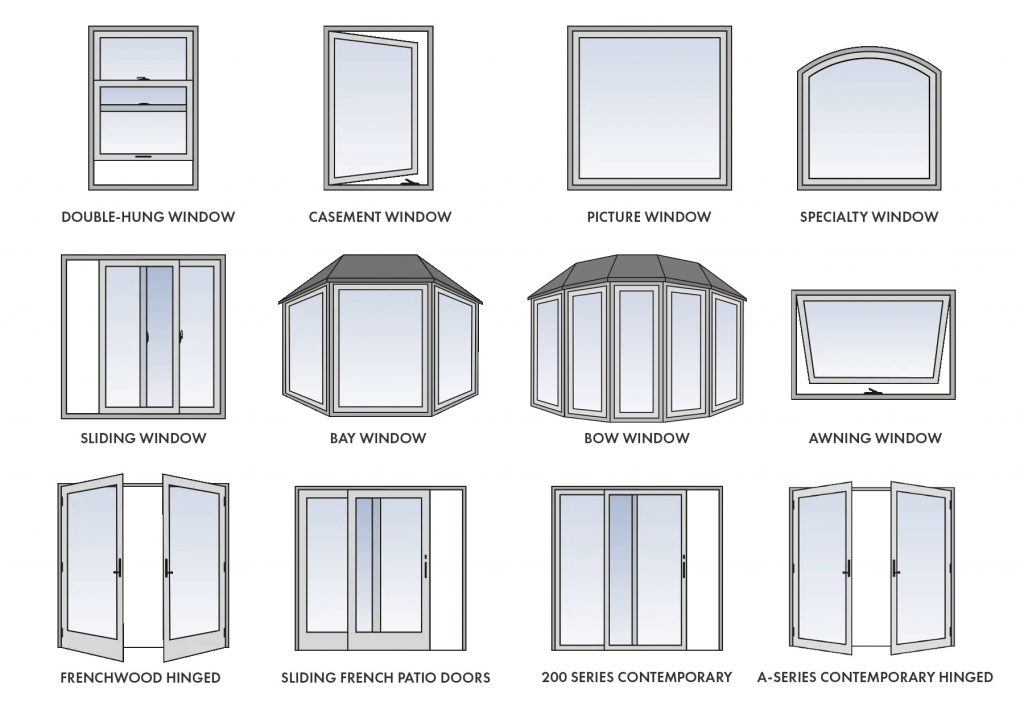
China’s top window suppliers commonly offer several frame materials and opening styles for residential and commercial projects. Aluminum windows remain popular because they are slim, strong, and suitable for large glass panels. Thermal-break aluminum reduces heat transfer through the frame. It costs more, but improves comfort in demanding climates.

uPVC windows provide practical insulation and usually need little maintenance. They work well for bedrooms, apartments, and standard replacement projects. Wood windows offer natural texture, yet require careful sealing and periodic repainting.

Fiberglass and composite frames resist moisture and remain stable through temperature changes. Some suppliers also produce steel windows for special architectural designs.

Common window types include casement, sliding, awning, tilt-and-turn, fixed, folding, and lift-and-slide systems.

A casement window opens outward and can catch fresh air efficiently. Sliding windows save space, but their seals deserve close inspection. Large lift-and-slide units create wide openings, though stronger hardware and reinforced frames increase the cost.

From supplier quotations, the material is only one cost factor. Glass thickness, Low-E coatings, gas filling, hardware, color, screens, and custom dimensions also affect pricing. Ask for thermal and water-performance test data. Request section drawings and sample corners before placing a large order.

A low quote may seem attractive. I have seen it hide weak rollers, thin profiles, or unclear installation charges. The mistake is easy to make. Reliable suppliers explain these details clearly.

What Factors Determine the Cost of Windows?

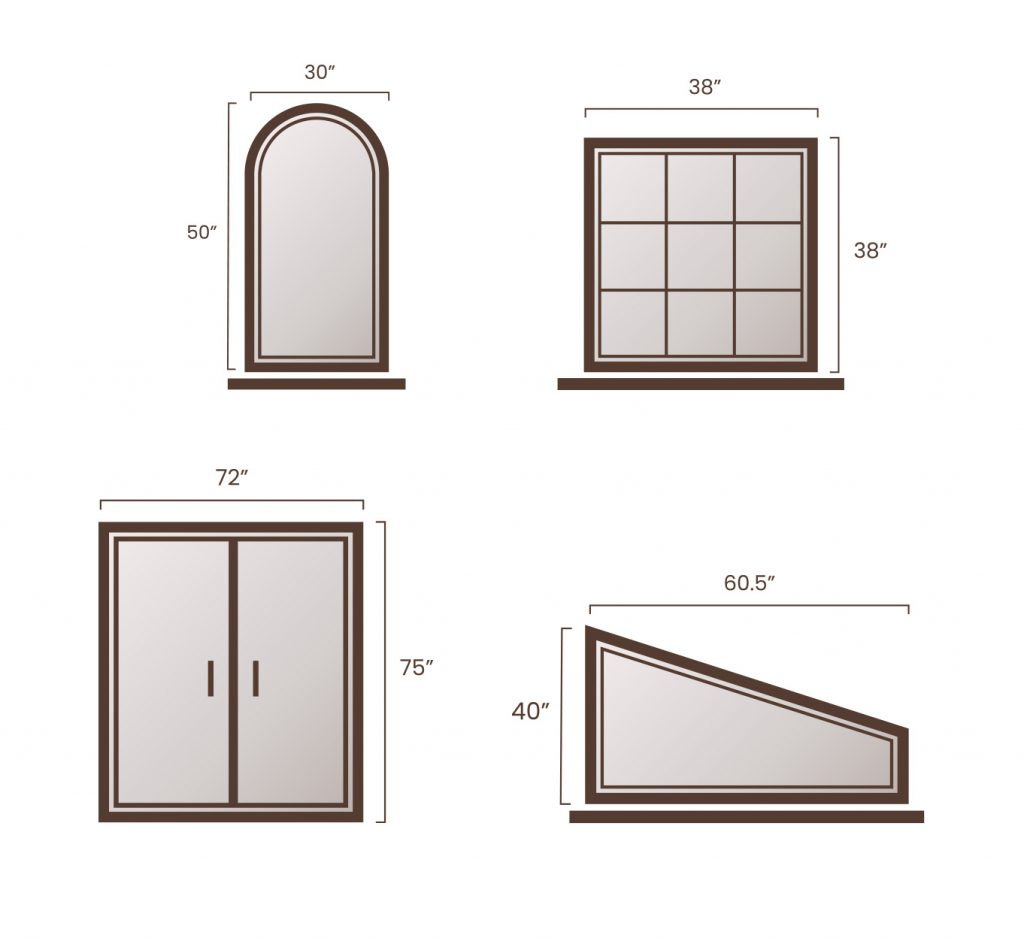
Window prices from China vary widely because no two projects have the same requirements. A small fixed window may cost far less than a large sliding system with reinforced frames. The main materials are aluminum, uPVC, wood, and composite profiles. Each material affects strength, insulation, maintenance, and manufacturing time.

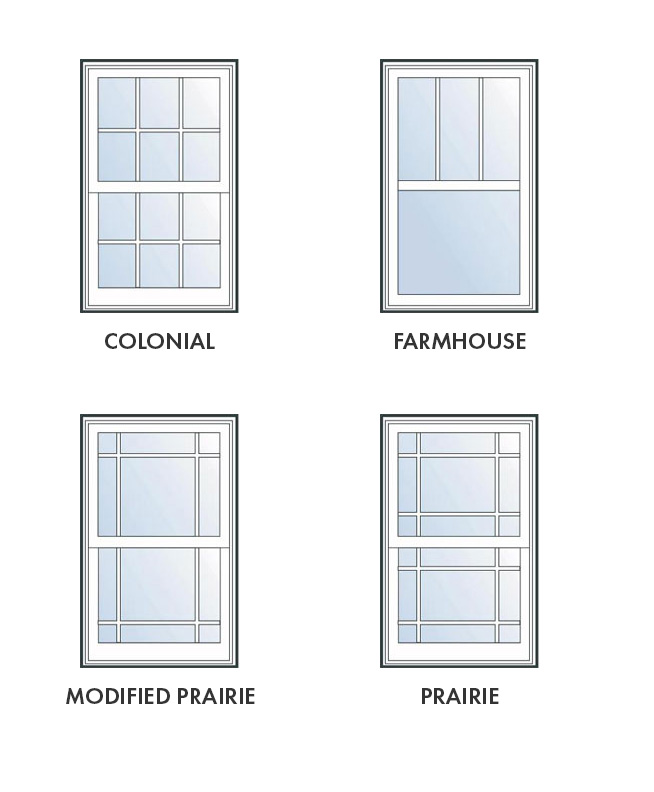
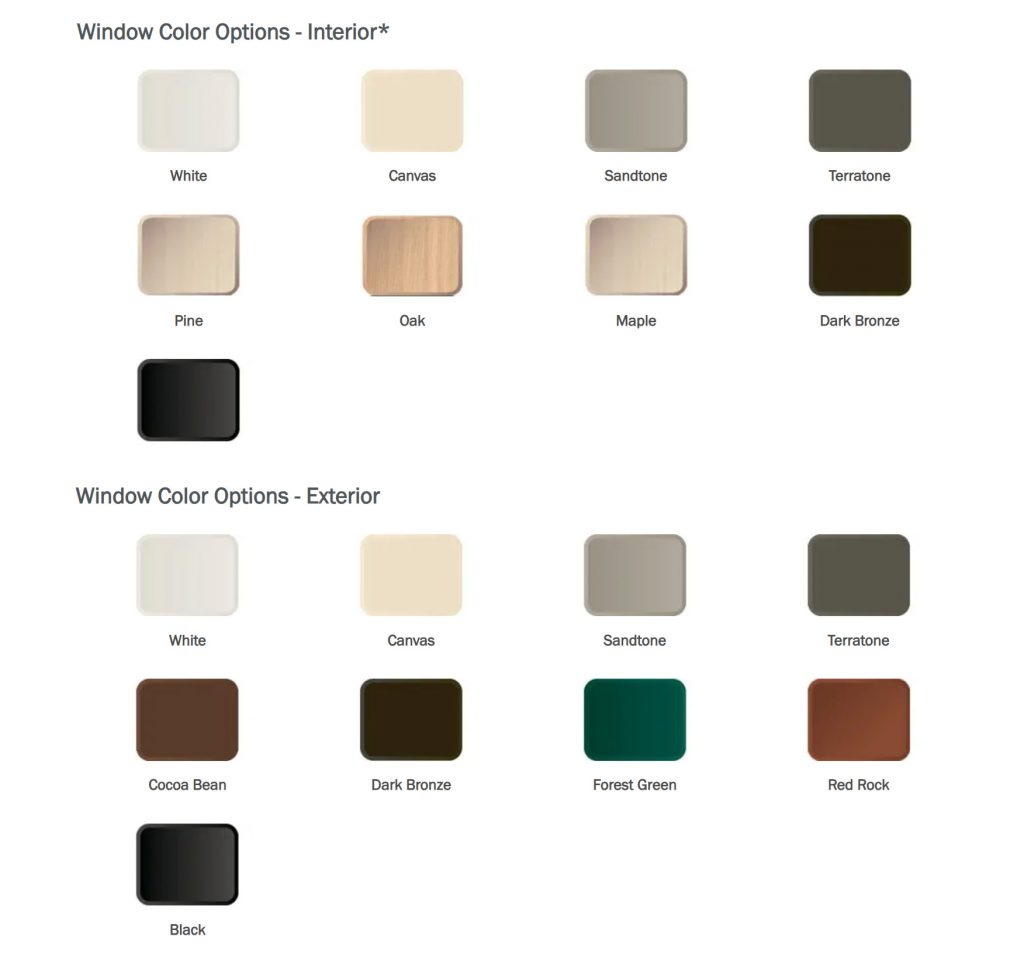
Glass often changes the quotation more than buyers expect. Single glazing costs less, while double or triple glazing improves thermal and noise performance. Low-emissivity coatings, laminated layers, tinted glass, and tempered glass add further expense. Hardware also matters. Multi-point locks, friction stays, rollers, and handles differ in quality and service life. Custom colors, unusual shapes, insect screens, and decorative grids can increase production costs.

Size is not the only issue. Installation location, packaging, shipping distance, import duties, and local labor can reshape the final budget. Suppliers may quote per square meter, per unit, or for the complete project, so comparisons can be misleading. I have seen a low initial quote become expensive after upgraded glass and delivery fees were added. That estimate was incomplete. Ask for a detailed quotation showing profile thickness, glass specification, hardware grade, packaging, warranty terms, and installation scope. Production samples and technical drawings provide stronger evidence than attractive photographs. Allow a reasonable contingency, because site measurements and design changes sometimes reveal costs that an early quotation cannot show.

How to Compare Window Suppliers, Prices, and Service Terms

When comparing China’s top 10 window suppliers, price should be only one part of the decision. Request the same specification from every supplier: frame material, glass thickness, coating, hardware, dimensions, packaging, and delivery terms. A quotation without these details is not truly comparable. It may look cheaper, but hidden costs can appear later.

Energy performance deserves close attention. The U.S. Department of Energy reports that windows can account for 25% to 30% of household heating and cooling energy use. Ask suppliers for U-value, solar heat gain coefficient, air leakage, and visible transmittance data. Verify whether the figures come from recognized laboratory testing. The National Fenestration Rating Council also stresses standardized ratings for fair product comparison. Small numbers matter.

Service terms need equal weight. Check drawing approval, sample confirmation, production inspections, replacement procedures, and response times for damaged goods. The 2024 Cost vs. Value Report indicates that replacement windows recover roughly two-thirds of their installation cost in resale value, but local labor and product quality change the result. That is easy to overlook. I would also request a written warranty with exclusions clearly listed. A low factory price can become expensive after shipping, customs handling, installation adjustments, and rework. Some quotations still lack enough detail. That deserves a second review.

China Top 10 Window Suppliers: What Is the Cost of Windows? How to Compare Window Suppliers, Prices, and Service Terms
Rank Supplier Profile Typical Product Focus Common Frame Materials Typical Price Range
USD/m², EXW China
Typical Glass Options Minimum Order Pattern Customization Capability Typical Lead Time Warranty Practice Service Level Best Suited For
1 Large integrated manufacturer Aluminum, uPVC, and thermally broken systems Aluminum, uPVC $85–$230 Double glazing; Low-E; laminated and tempered options Usually project-based; often one container or negotiated quantity High 35–60 days after drawing and deposit approval Commonly 5–10 years for frames; shorter coverage for hardware and seals Dedicated project quotation, shop drawings, and export documentation Commercial buildings, villas, and repeat projects
2 Architectural-system specialist High-performance curtain walls, doors, and windows Thermally broken aluminum $150–$420 Double or triple glazing; Low-E; acoustic and solar-control glass Generally tied to a complete building project Very high 45–75 days, depending on engineering approval Usually project-specific; workmanship and materials may have separate terms Engineering review, structural details, testing coordination, and installation support High-rise, hospitality, and demanding façade projects
3 uPVC window specialist Residential tilt-and-turn, sliding, and casement windows Multi-chamber uPVC $65–$165 Double glazing; Low-E; argon-filled units where specified Lower quantities may be accepted for standard sizes Medium–High 25–45 days for standard profiles; longer for special colors Commonly 5–10 years for profiles, subject to contract wording Window schedules, color samples, hardware selection, and packing support Housing developments and residential renovations
4 Custom residential fabricator Made-to-measure windows, patio doors, and folding doors Aluminum, uPVC, wood-aluminum combinations $95–$280 Tempered, laminated, Low-E, and decorative glass Often flexible for small and medium-sized projects High 30–55 days after final measurements and approval Typically 2–5 years; verify coverage for finish, hardware, and glass seals Frequent quotation revisions and direct communication with buyers Custom homes, villas, and boutique developments
5 Energy-efficiency focused manufacturer Thermally improved windows for hot and cold climates Thermally broken aluminum, uPVC $110–$300 Low-E; argon; warm-edge spacer; triple glazing available Usually medium-volume orders with technical specifications High 35–65 days, depending on glazing configuration Often 5–10 years for frame systems; confirm condensation and performance exclusions U-value guidance, climate recommendations, and performance documentation Low-energy homes and projects with strict thermal targets
6 High-volume standard-product factory Standard-size sliding windows, doors, and basic casement units Aluminum, uPVC $45–$125 Clear double glazing; tempered glass available Usually favors container quantities and repeated sizes Medium 20–40 days for stocked or repeat designs Commonly 2–5 years, depending on product category Efficient order processing with limited engineering support Apartment projects, distributors, and budget-conscious buyers
7 Premium design-oriented fabricator Minimal-frame systems, large openings, and premium doors Aluminum, slim thermally broken aluminum $180–$520 Large-panel tempered or laminated Low-E glass Usually quotation-based with strict design approval Very high 50–90 days for oversized or complex units Frequently 5 years or more; exact terms vary by hardware and finish Design coordination, mock-ups, site measurement, and installation guidance Luxury residences, hotels, and premium interiors
8 Export-oriented contract supplier Windows and doors prepared for international shipment Aluminum, uPVC, composite systems $75–$220 Double glazing; laminated and Low-E options Often accepts mixed designs within a project order Medium–High 30–60 days, excluding shipping and customs clearance Usually defined by purchase contract and inspection procedure Export packing, container loading plans, and document support Importers, contractors, and overseas distributors
9 Regional cost-competitive factory Basic and mid-range residential window systems Aluminum, uPVC $50–$145 Clear, tinted, tempered, and standard Low-E options Small-to-medium orders may be negotiable Medium 25–50 days, subject to material availability Commonly 2–5 years; obtain written exclusions before ordering Competitive pricing with a more limited technical service scope Small developers, remodeling, and standard residential work
10 Project-support window contractor Windows, doors, screens, hardware, and installation coordination Aluminum, uPVC, curtain-wall components $100–$340 Tempered, laminated, Low-E, acoustic, and solar-control options Generally based on complete project scope rather than unit count High 40–75 days, including coordination and quality checks May combine product warranty with installation warranty Site coordination, installation planning, inspection, and after-sales assistance Contractors seeking one coordinated supply package
Pricing and comparison notes: The figures are indicative market ranges for windows supplied from China and are shown in USD per square meter on an EXW basis. They exclude freight, insurance, import duty, taxes, installation, scaffolding, site measurement, and local compliance costs. Final prices depend on dimensions, opening type, profile series, glass specification, hardware, finish, quantity, packaging, testing, and payment terms. Before placing an order, request approved shop drawings, a complete bill of materials, sample approval, inspection terms, Incoterms, production milestones, and a written warranty.