2026 Best Patio Door Types for Global Buyers?

Choosing the best patio door in 2026 requires more than comparing glass size and frame color. Global buyers face different climates, building traditions, security expectations, and installation standards. A sliding door may suit a compact apartment in Singapore. A hinged French door may work better for a traditional home in France. Large folding systems can open a coastal living room, but they also demand careful drainage and strong structural support.

Building-science expert Joseph Lstiburek offers a useful reminder: “Windows are holes in walls.” A patio door is a larger, moving version of that opening. Its performance depends on seals, thresholds, drainage, glazing, hardware, and installation quality. These details matter in a humid tropical storm, a dry desert afternoon, or a freezing northern winter.

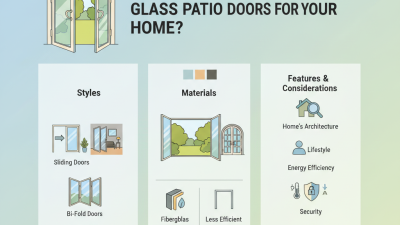
The 2026 market includes sliding, hinged, folding, lift-and-slide, and multi-track patio door designs. Each type has strengths and compromises. Energy ratings are not directly comparable across every country. Certification labels also vary. Buyers should check local standards instead of trusting attractive marketing claims.

Small details matter.

A low threshold improves accessibility, but may need extra weather protection. Triple glazing can reduce heat loss, yet it adds weight and cost. Oversized panels look impressive, but replacement may be difficult later. I may favor lift-and-slide systems for premium projects, although they are not automatically the best choice. Budget, climate, maintenance access, and installer experience can change the answer. This guide compares practical patio door options for buyers worldwide, with those uncomfortable trade-offs kept visible.
2026 Best Patio Door Types for Global Buyers?

What Is a Patio Door and Why Does Its Type Matter?

2026 Best Patio Door Types for Global Buyers?

What Is a Patio Door and Why Does Its Type Matter?

A patio door is a glazed exterior door connecting indoor rooms with a balcony, terrace, or garden. It combines access, daylight, ventilation, and weather protection in one opening. Its type matters because each design changes energy use, security, maintenance, and usable floor space.

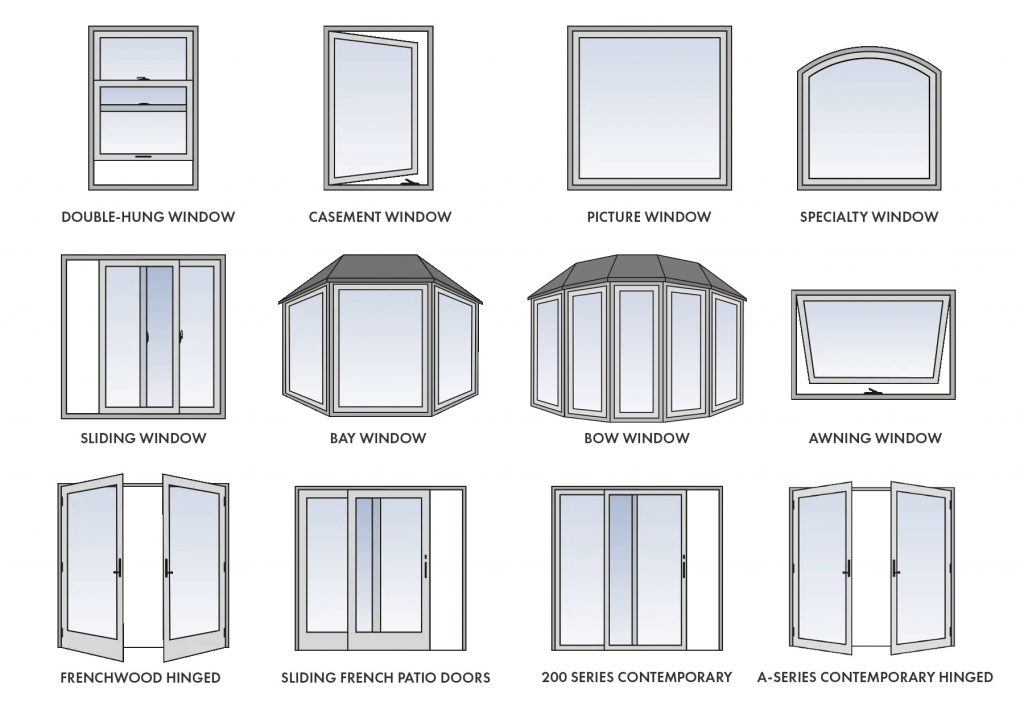
Sliding doors move along tracks, making them practical for compact rooms and narrow terraces. Hinged or French-style doors open wide, but need clear indoor and outdoor space.

Folding doors can create a broad opening, although their hardware requires careful alignment. Lift-and-slide systems often support larger glass panels, yet installation quality becomes critical. No type wins everywhere.

The International Energy Agency reports that buildings consume about 30% of global final energy. The U.S. Department of Energy also estimates that windows can cause 25–30% of residential heating and cooling energy use. Patio doors contain large glazed areas, so frame design, glass, seals, and orientation deserve close attention. Check U-factor, solar heat gain coefficient, and air-leakage data through recognized fenestration testing systems, such as NFRC-based labels where applicable. Regional standards may differ.

A low U-factor helps in cold climates. Lower solar gain may suit hot, sunny regions. That rule is not universal.

Shaded coastal homes, windy apartments, and humid villas need different choices. In practice, buyers often focus on appearance first and drainage last. That mistake can become expensive.

A beautiful door with poor threshold detailing may admit water, drafts, or insects within one difficult season.

How Do the Main Patio Door Types Compare?

Sliding patio doors suit compact rooms because their panels move parallel to the wall. They need no swing clearance, but only part of the opening remains usable. Hinged or French doors open widely and offer a familiar, solid feel. They require interior space and careful furniture planning. Folding doors can create a broad, almost continuous opening, although their tracks need regular cleaning. Lift-and-slide doors provide large views and smooth operation, but their weight demands accurate installation.

The main comparison is not appearance. It is performance. Sliding systems often deliver practical ventilation and lower operating effort. Hinged doors may seal tightly when their frames and hardware are correctly adjusted. Folding systems provide flexibility, yet more joints can mean more adjustment points. In hot, humid, windy, or coastal regions, buyers should examine drainage, corrosion resistance, glass performance, and replacement-part access. Local building requirements also vary. A beautiful door can perform poorly if the threshold is not matched to heavy rain.

Tips: Mark the opening with masking tape before ordering. Test the swing path, furniture clearance, and daily traffic. Ask the installer how water leaves the track. Check whether damaged rollers, seals, or hinges can be replaced locally. Large glass feels impressive, but it can increase heat gain and cleaning time. I have seen homeowners focus on views and overlook the handle height. That small detail matters. Some comparisons also underestimate maintenance. Door selection should reflect climate, room use, installation quality, and the patience available for upkeep.

Which Materials and Glass Options Suit Global Climates?

Global buyers should choose patio doors by climate exposure, not frame appearance. The International Energy Agency’s Buildings report states that buildings used about 30% of global final energy in 2022. Doors and windows deserve attention.

In hot, sunny regions, low-emissivity glass with a solar-control coating can reduce radiant heat near the sofa. Double glazing suits many temperate markets, while triple glazing offers stronger insulation in cold, windy areas. Argon-filled units can improve thermal performance, but damaged seals eventually reduce that benefit. Laminated glass also helps reduce noise and improves impact resistance. It is not a perfect security solution.

Frame material matters just as much. Thermally broken aluminum resists moisture and supports wide openings, but poor thermal breaks can create cold interior edges. uPVC offers dependable insulation and low maintenance in many climates. Engineered timber feels warmer and performs well, yet it needs careful protection in humid coastal locations. The U.S. Department of Energy estimates that windows can represent 25–30% of residential heating and cooling energy use, making installation quality critical. A well-specified door can still fail if the threshold drains poorly or the frame is not sealed. My practical reservation is simple: triple glazing is not automatically better everywhere. In mild, shaded climates, its extra weight, embodied material, and cost may deliver limited value. Local wind exposure, humidity, ultraviolet intensity, and replacement skills should shape the final specification.

What Should Buyers Check Before Choosing a Patio Door?

Choosing a patio door in 2026 requires more than comparing glass and frame colors. Buyers should begin with local climate, wall exposure, and daily use. A coastal home needs corrosion-resistant hardware and strong water protection. A cold region may require low-conductivity frames and insulated glazing. Hot climates benefit from solar-control glass and effective shading.

Measure the opening carefully, including the sill, surrounding wall, and drainage path. A small measurement error can cause air leaks, difficult operation, or expensive structural changes. Check the door’s tested air, water, and wind performance, not only general marketing claims. Ask for documented thermal values and confirm which testing standards apply in your country. Requirements differ. So do installation practices.

Security deserves practical attention. Examine multi-point locks, impact-resistant glass options, hinge protection, and the strength of the surrounding frame. Large sliding panels should move smoothly without excessive force. A low threshold improves access, but it must still manage rainwater safely. Families should also consider finger protection, visibility, and emergency exit requirements where applicable.

Look closely at maintenance needs. Tracks collect sand, leaves, and small stones. Hinges and seals may need periodic inspection. Request clear warranty terms, replacement-part availability, and installation responsibilities before payment. An attractive door can still perform poorly when fitted by an inexperienced installer. I have seen buyers focus on the panel and overlook the sill. That mistake is easy to repeat. A sample room rarely reflects real wind, rain, dust, or years of use.

How Can Global Buyers Evaluate Installation and Long-Term Value?

For global buyers, patio door value starts with installation, not showroom appearance. A beautiful frame can still fail when the opening is uneven or drainage is ignored. Measure twice. Confirm the wall structure, sill height, and exterior water path before ordering. Local building codes may require specific safety glazing, wind resistance, thermal performance, or emergency access. A qualified installer should explain these requirements clearly and provide written measurements.

Climate changes the evaluation. In humid regions, inspect drainage channels, seals, and corrosion resistance. In cold areas, compare insulation values and check for thermal bridging around the frame. Sliding doors need accurately level tracks; hinged doors need strong hinges and reliable weather seals. Ask how the door will be anchored to masonry, timber, or insulated panels. The wrong fixing method can cause movement after seasonal changes.

Long-term value also depends on maintenance and replacement access. Request clear warranty terms, spare-part availability, cleaning instructions, and expected service intervals. A lower purchase price may become expensive if rollers, locks, or seals are difficult to source internationally. Review independent test evidence rather than relying only on sales claims. Be realistic: even a well-designed door can need adjustment after installation. Water finds gaps. Schedule a professional inspection after the first heavy rain, then review operation again after one full season.

2026 Best Patio Door Types for Global Buyers

How can global buyers evaluate installation and long-term value? This planning benchmark compares common patio door types on a 1–5 scale, where 5 indicates the most favorable result.

Installation Simplicity: Higher scores indicate fewer specialized installation requirements and less adjustment complexity.
Thermal Performance Potential: Higher scores indicate greater potential for low heat transfer when correctly specified and installed.
Weather-Sealing Potential: Higher scores indicate stronger potential for air and water control with suitable systems and installation.
Long-Term Maintainability: Higher scores indicate easier routine inspection, adjustment, cleaning, and replacement of serviceable parts.

The scores are transparent planning benchmarks based on typical design characteristics of each door type, not manufacturer or brand data. Final selection should be checked against local building codes, climate exposure, wall structure, glazing specifications, drainage details, and qualified installer quotations.